SDG 11: Sustainable Cities and Communities
SDG 11:
SUSTAINABLE CITIES AND COMMUNITIES
Make cities and human settlements inclusive, safe, resilient and sustainable.
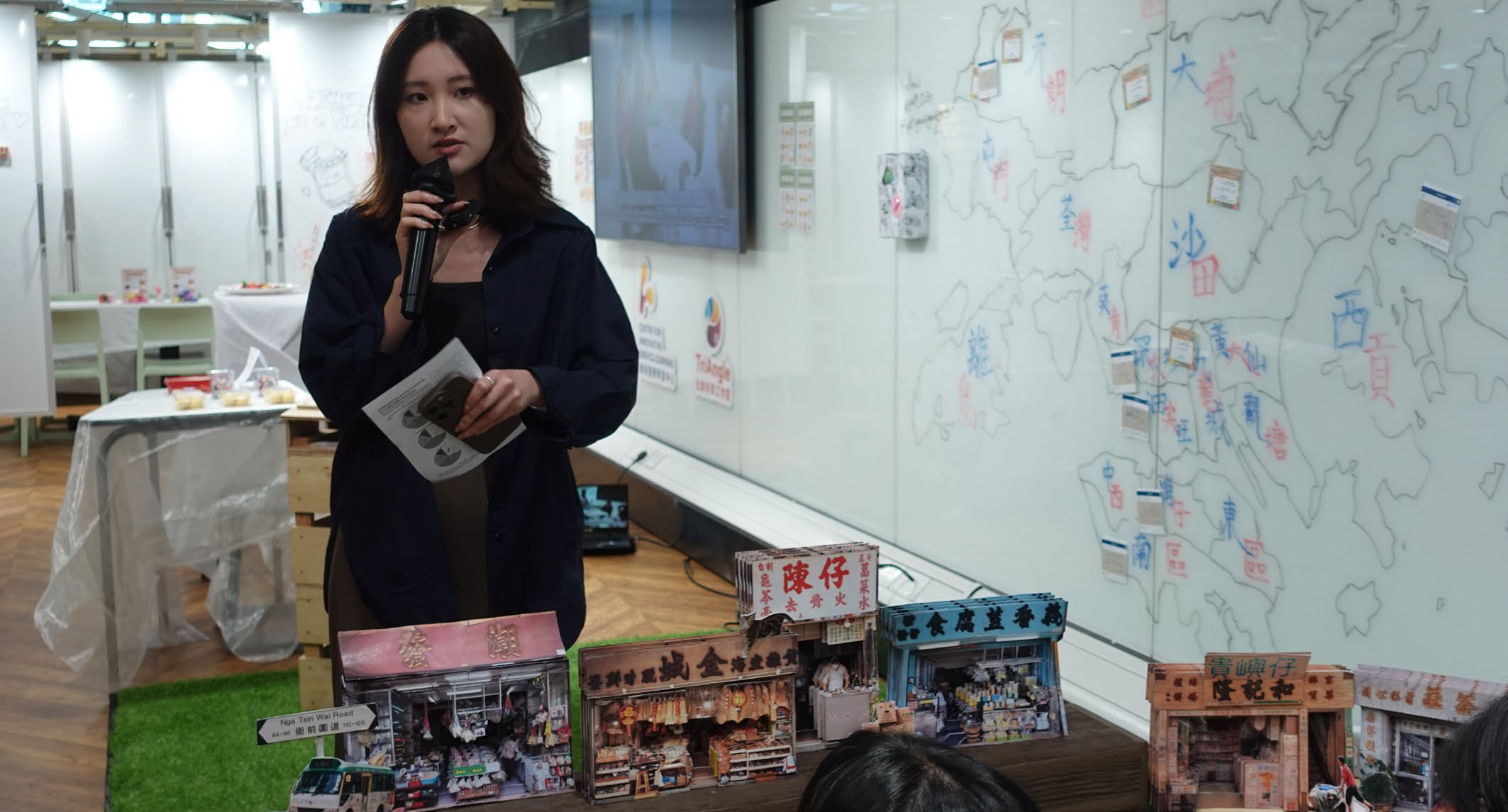
The General Education capstone experiential learning course, “Art and the Community”, taught by Ms Fong Wan-chi of the Academy of Visual Arts, integrated creative practice, community collaboration, and inclusive design to co-create more resilient urban environments. Through fieldwork, co-design with community partners, and public showcases, 58 students engaged directly in identifying local issues, soliciting community feedback, and reflecting on the role of art and design in sustainable city-making, thereby fostering civic engagement. The community art projects emphasised inclusive design and socially engaged practice to activate public spaces and improve accessibility. By directly addressing everyday racism, sexism, and ageism, these projects created shared spaces that were more equitable, safe, and welcoming for all. The course also developed students’ skills in project management, documentation, and interdisciplinary collaboration, equipping them to contribute to local strategies for inclusive, resilient, and sustainable urban development.
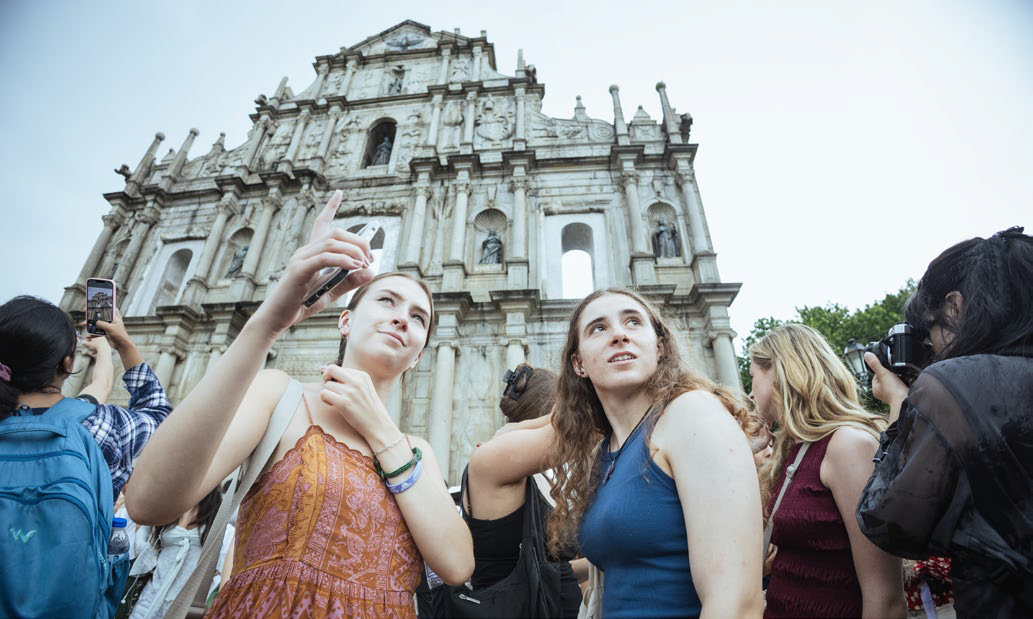
Exploring Macau: Heritage and sustainable urban life
In July 2025, the International Office organised a heritage field trip to Macau for 280 non-local students from 20 countries. The visit advanced the SDGs by promoting cultural heritage conservation, sustainable tourism and sustainable urban development. Students explored the narrow streets of the historical centre and visited the UNESCO World Heritage Ruins of St Paul’s and Senado Square, observing how centuries-old architecture coexists with a modern, compact city. Guided discussions covered urban planning, heritage preservation and community resilience, highlighting the role of heritage management and urban governance in sustaining vibrant neighbourhoods. Conversations on urban mobility, pedestrian safety and green infrastructure encouraged students to consider practical links between heritage and urban sustainability. The field trip motivated students to adopt responsible travel practices and be more committed to resilient cities and urban regeneration in their future studies and careers.
Academy of Film
Authors: Professor Hong ZENG*, Kimburley Wing Yee CHOI
*Corresponding author
This study explores the Tak Cheong Lane Vegetarian Cooperative, a self-sustaining space in Hong Kong’s working-class areas blending art, food, and community since 2012. Through collective decision-making, free pricing, organic vegetarian meals, and an infoshop promoting alternative values, it practises “commoning art” to counter capitalism’s isolation, inequality, and environmental harm. Members foster dissensual aesthetics by reconfiguring daily experiences, embracing otherness, and adapting to crises like rising rents and political restrictions. Relevant to SDG 11, it models resilient urban communities by creating inclusive spaces that build social bonds, support local economies, and engage marginalised voices amid Hong Kong’s challenges. In dense cities facing gentrification and disconnection, this approach promotes participatory planning, sustainable living, and cultural vitality, inspiring global efforts for equitable, adaptive urban environments that prioritise justice and collective well-being over profit.
Intercultural communication in collaborative translation: Language, identity, and social inclusion in Hong Kong
Academy of Language and Culture
Authors: Chuan YU*, Tom BARTINDALE
*Corresponding author
This study documents a university service‑learning course that uses collaborative translation and participatory video to improve intercultural communication and inclusion among multilingual youths in Hong Kong’s urban environment, where public life is shaped by linguistic diversity and unequal access to voice. Ethnographic action research with 43 participants analyses interaction through a communities‑of‑practice lens—mutual recognition, joint enterprise, and shared repertoire—to show how shared practices enable participation across cultural groups in city settings. Trilingual media co‑creation (e.g., English narration with Cantonese and South Asian language subtitles) lowers barriers to information and belonging in urban communities, reinforcing inclusive and participatory social infrastructures consistent with SDG 11.3. By foregrounding local cultural identities and multilingual expression, the project also contributes to safeguarding living cultural heritage in cities, aligning with SDG 11.4.
The University campus exemplifies the principles of sustainable urban development, providing public access to designated indoor and outdoor areas, including cultural heritage sites and green spaces.
- HKBU Library
1. General access: Open to eligible users including HKBU students, HKBU staff and their eligible family members, alumni, and students from other tertiary education institutions
2. Access to Special Collection and Archives and European Documentation Centre: Open to the general public
- Cultural Heritage Sites
1. Lui Seng Chun (declared a monument in 2022)
2. Kai Tak Campus (former Royal Air Force Officers’ Mess): Common areas are open to the public through guided tours
- Green Spaces
Green spaces, including green wall and garden in Kowloon Tong campus, are accessible to the public during campus operating hours.
Fostering cultural exchange and community
The University offers various performance and event venues, including the Academic Community Hall and Tsang Chan Sik Yue Auditorium, which serve as cultural hubs for both the University and the local community. These venues foster the sharing of ideas, culture and collaboration, strengthening the bond between the University and its surrounding community.
- Academic Community Hall
With a seating capacity of 1,346 across two floors, this versatile auditorium is suitable for concerts, musicals, variety shows, ceremonies, religious functions, and seminars. For decades, it has been the venue for the esteemed Hong Kong Schools Music and Speech Festival.
- Tsang Chan Sik Yue Auditorium
The auditorium, with a seating capacity of 400, is fully equipped with stage lighting, an audiovisual system, and a VIP lounge. It serves as a multipurpose venue for conferences, ceremonies, seminars, and various performances. The venue is also barrier-free, ensuring accessibility for all.
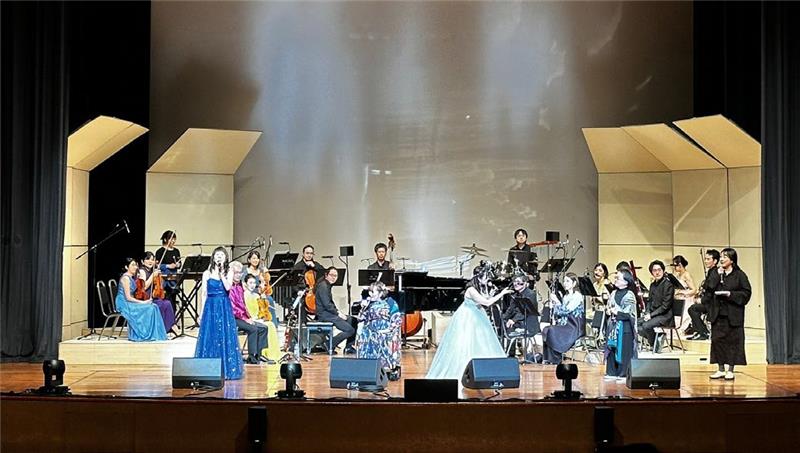
In the year 2024-25, these venues attracted approximately 42,000 attendees across 65 events in collaboration with local schools, art groups, and non-profit organisations. One highlight was the Studio Ghibli Anime Music Orchestra Concert, featuring the original singers of Studio Ghibli, held in the Academic Community Hall on 5 April 2025, which received positive responses from the public. This collaboration enriched the cultural exchange between the University and the local community.
Preserving cultural heritage and cultivating creative talents
To preserve cultural heritage, the University has transformed historic buildings on its campuses into distinctive cultural landmarks that serve the arts community and the public. Guided tours are also available for these spaces, providing visitors with a deeper understanding of the historical significance and artistic value.
- Lui Seng Chun
This project is part of the Revitalising Historic Buildings Through Partnership Scheme initiated by the Government of the HKSAR in 2008. The University has converted this historic building into a Chinese Medicine healthcare centre, providing valuable healthcare services to the community.
- Kai Tak Campus
Formerly the Royal Air Force Officers’ Mess, this remarkable Grade I historic building showcases early 20th-century colonial architecture. It serves as a venue for public exhibitions, allowing visitors to immerse themselves in the cultural experiences offered by the University. Since 2005, the HKBU Academy of Visual Arts has provided classes in this environment, featuring facilities such as the Centre for Research and Development in Visual Arts and various studios and exhibition spaces.
- Jockey Club Creative Arts Centre (JCCAC)
Established in 2008, the JCCAC is Hong Kong’s premier artist village, converted from a former factory. As a self-financed registered charity and a subsidiary of the University, JCCAC serves as a multidisciplinary arts and cultural venue open to the public, catering to the diverse needs of the arts community.
Sustainable campus development and green policies
HKBU’s commitment to sustainability is embedded in its green policies and construction practices.
- The University Green Policy for Capital Projects and Major Addition and Alteration Projects for University Campus requires all new buildings and major renovations to meet recognised green standards, such as BEAM Plus certification. It aims to minimise development on greenfield sites, demonstrating a holistic approach to sustainable planning.
- The Waste Management Policy aims to promote waste reduction and recycling, covering plastic reduction, food waste minimisation, and the “6Rs” hierarchy: Rethink, Refuse, Reduce, Reuse, Repair, and Recycle.
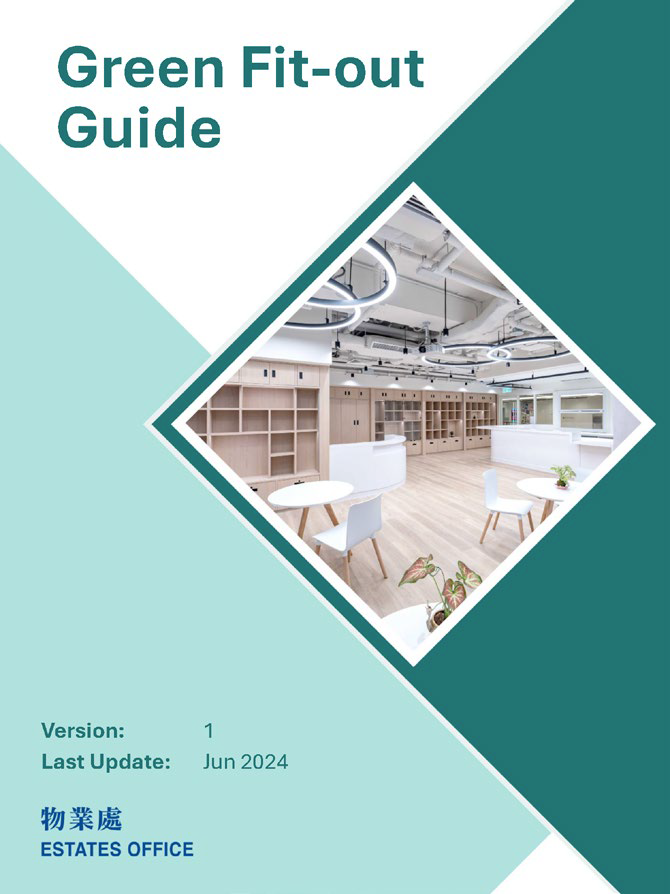
- Green Fit-out Guide
Launched in June 2024, this guide provides guidance on incorporating green and sustainable features in fit-out projects. It encompasses best practices in sustainability regarding energy efficiency, waste minimisation, and the use of ecofriendly materials during the fit-out process.
Crop Science Laboratory: A hub for sustainable research
Located on the rooftop of the Sir Run Run Shaw Building, the Crop Science Laboratory has been recognised as a finalist for the “Special Award – Heritage & Adaptive Re-use” at the Hong Kong Institute of Architects Annual Awards 2022/23, and the “Existing Buildings Category: Completed Projects – Institutional” at the Green Building Award 2023 by the Hong Kong Green Building Council and Professional Green Building Council. The facility integrates research, greenery, and recreational areas into a social hub that supports learning and sustainability. Key features include:
- Active and passive design
Low-emissivity glazing, green roofs, as well as smart lighting and thermal controls reduce energy use and optimise research conditions.
- Resource conservation and low-carbon materials
Retention of the existing structure, a planter wall with irrigation recycling, and the use of lowcarbon materials demonstrate a strong conservation ethos.
- Green and open spaces
A vertical green wall, interior moss wall, and rooftop garden enhance aesthetics and functionality while supporting a controlled research environment.
- Renewable energy integration
Rooftop PV arrays generate electricity and provide natural light, complemented by a wind turbine system powering outdoor lighting.
HKAEE 2023 Silver Award
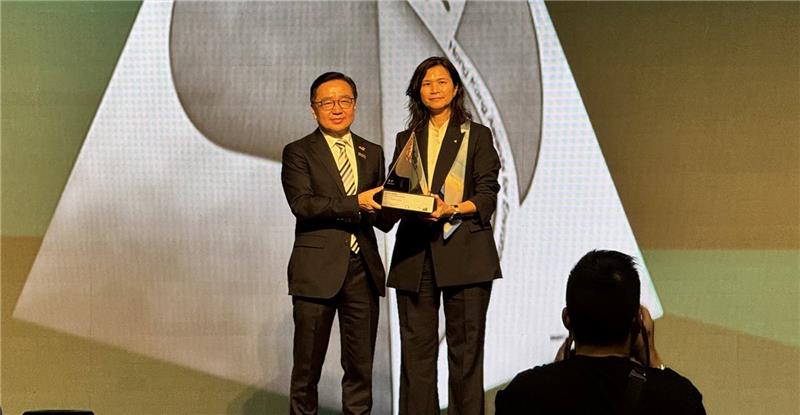
HKBU received the Silver Award at the 2023 Hong Kong Awards for Environmental Excellence in the Public and Community Services sector, a prestigious accolade recognised as the “Oscars of Environmental Excellence”. This award highlights HKBU’s strong dedication to environmental management and sustainable development.
Showcase in Times Higher Education
An article by the Estates Office highlighting practical strategies to advance towards carbon neutrality was published in collaboration with Times Higher Education. It shared HKBU’s successful experiences in building a green campus culture, innovative renovations, and operational excellence, emphasising sustainable campus environments, integrating green design and technology, and fostering active participation among students and staff to drive lasting impact. Click here to access the article.
Sustainable commuting
The University actively implements initiatives to promote sustainable commuting practices, aligning with its carbon neutrality plan.
- Electric vehicles (EV) charging
HKBU is committed to enhancing its EV charging infrastructure, aiming for 100% of new parking facilities to be equipped with EV charging stations. By 2030, the University aims to expand and upgrade EV chargers to cover a higher proportion of total campus parking spaces. The first phase will see about 70 chargers installed and upgraded. A smart booking and payment system is being developed, with completion targeted for June 2026, allowing campus users to conveniently reserve and pay for EV charging services using the HKBU Mobile App.
- Motorcycle and bicycle facilities
Dedicated parking spaces are provided for motorcycles and bicycles, encouraging the use of eco-friendly transportation modes.
- Public transportation access
Prominent campus signage directs individuals to the nearest Mass Transit Railway stations, promoting public transport use. Additionally, a Fare Saver kiosk at the Kowloon Tong Shaw Campus entrance offers discounted fares to further incentivise the utilisation of public transit services.
Sustainable employment practices Promotion of sustainability
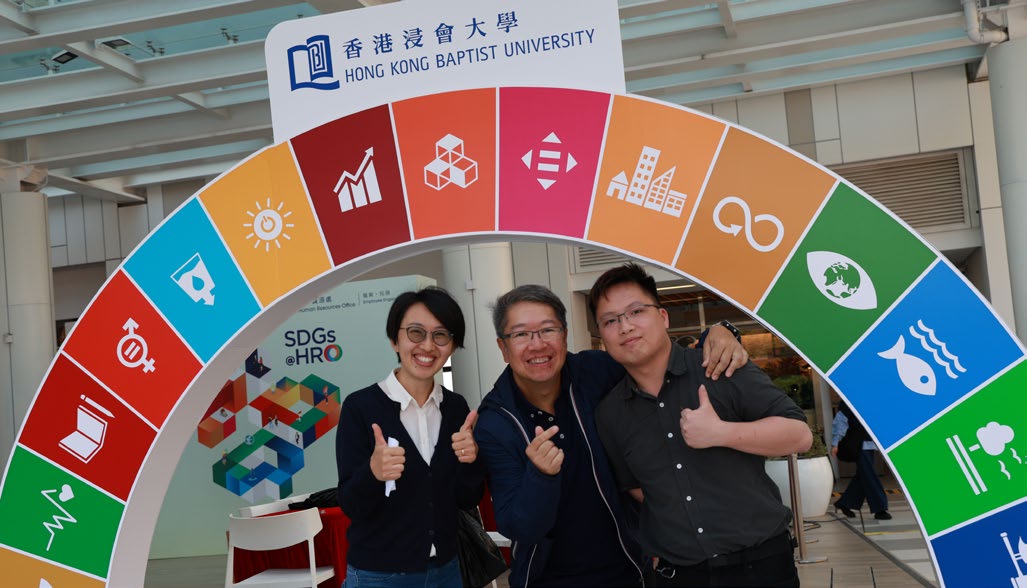
The Human Resources Office launched “SDGs@ HRO” to raise staff awareness of SDGs through various activities. The inaugural event, “SDGs@ HRO Day,” themed “Supporting SDGs at Work,” took place in March 2025.

- Family engagement and work-life balance
HKBU prioritises family engagement and work-life balance with programmes like the Island House and Coastline Eco Tour, parent-child mindfulness massage classes, and the family wellbeing lunch-and-learn series, covering topics such as couple relationships and back-to-school support for parents.
- Ageing Series
Recognising the importance of preparing for different life stages, the Ageing Series was introduced to promote holistic well-being through workshops on physical, mental and financial wellness, along with guidance on after-death arrangements.
- Employee wellness initiatives
HKBU supports staff well-being with a comprehensive approach that includes customised wellness courses under the Employee Fitness Programme and mindfulness workshops to enhance mental resilience. These efforts are complemented by regular internal communications that promote a culture of self-care.
- Flexible work arrangements
Flexi-hour arrangements are in place to support staff in achieving better work-life balance, allowing them greater flexibility in managing their professional and personal commitments.
- Affordable staff housing
HKBU provides eligible staff with access to affordable housing in designated staff quarters, offering comfortable and conveniently located living spaces at reasonable rates. The University also makes practicable efforts to implement barrier-free housing features for physically challenged staff.
HKBU Sustainability Report 2024 - 2025