SDG 17: Partnerships for the Goals
SDG 17:
PARTNERSHIPS FOR THE GOALS
Strengthen the means of implementation and revitalise the Global Partnership for Sustainable Development.
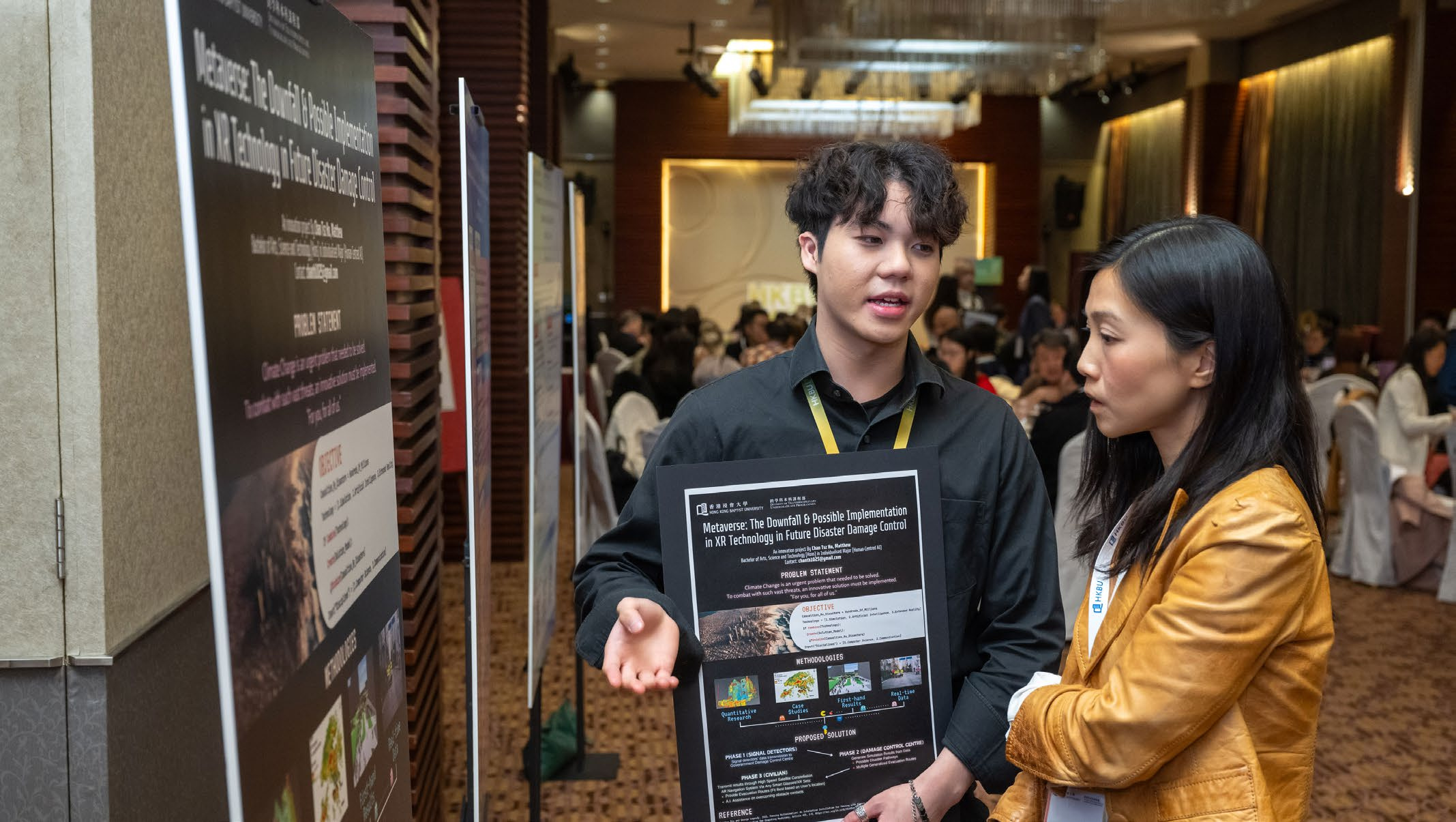
Co-led by Professor Nick Zhang of the Department of Journalism and Dr Caixia Chu of the Division of Transdisciplinary Undergraduate Programmes, the course “Transdisciplinary Problem Solving II” engaged students in a mission-driven project. Students are empowered to pursue transdisciplinary pathways beyond traditional majors and tailor their academic and career trajectories by drawing on the expertise of 15 HKBU academic supervisors and nine community advisors from diverse fields. This approach fostered knowledge exchange between university faculty, community partners and students, strengthening collaboration for sustainable innovation. For example, under the guidance of academic and community advisors, a student is developing a metaverse using XR technology to simulate potential evacuation routes for future disasters. These partnerships enable students to co-create solutions to complex societal challenges.
Global partnerships advance cultural exchange and sustainability
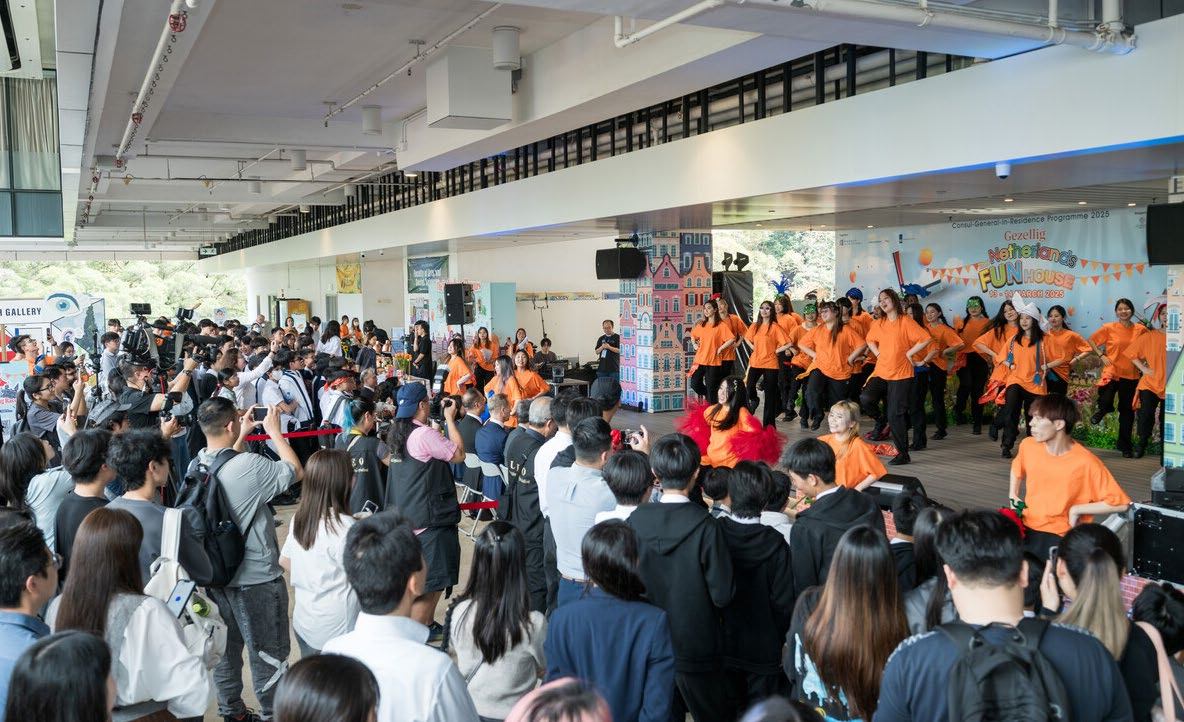
HKBU hosted “Gezellig! The Netherlands Funhouse” as part of the 2025 Consul-General-in-Residence Programme, welcoming 2,200 participants to a celebration of Dutch culture on campus. Organised in collaboration with the Consulate-general of the Netherlands in Hong Kong and Macao SARs, the event brought together not-for-profit organisations, industry partners, cultural institutions and secondary students in a dynamic, multi-stakeholder partnership. Highlights included a King’s Day-inspired parade and traditional volksdans, which created a festive atmosphere and celebrated the UNESCO Corso Culture. Participants were immersed in Dutch art and design through experiential cultural learning activities. Interactive workshops and energy-powered cycling activities encouraged innovation and sustainability, supporting practical collaboration and resource mobilisation across sectors. By connecting cultural appreciation with active engagement, the programme exemplified how collective action and institutional cooperation can foster quality education and develop skills for sustainable development.
Faculty of Arts and Social Sciences
Authors: Nan QIN, Daniel W.L. LAI*
*Corresponding author
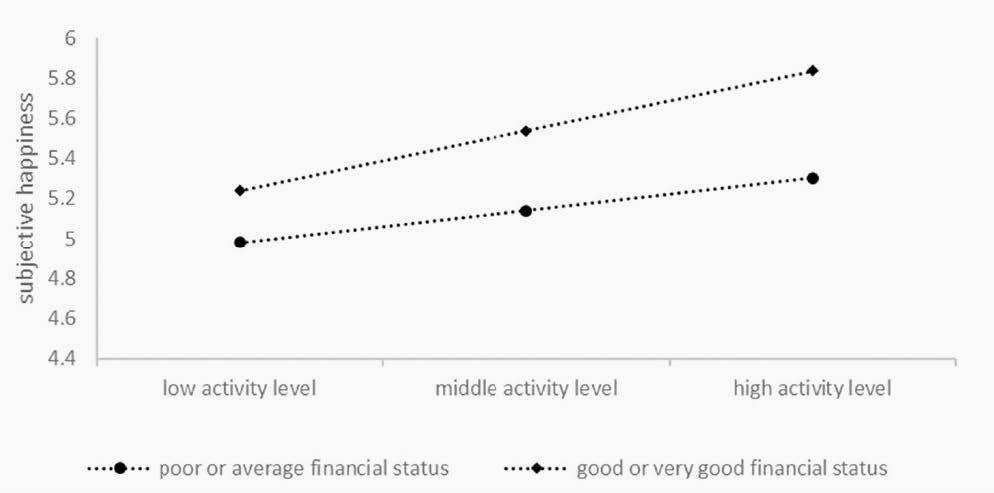
This study surveyed 304 adults aged 50 or above in Hong Kong and found that higher activity participation is associated with greater subjective happiness and quality of life. However, these impacts are significantly moderated by financial status for individuals’ quality of life, indicating that those with better finances benefit more from the same activities. The authors recommend policy measures such as inflation‑adjusted pensions, activity vouchers, transport allowances, fee waivers through volunteering, and tailored community programmes. Implementing these measures requires coordinated partnerships among universities, social services, community organisations, and government to ensure equitable access and outcomes, directly supporting SDG 17.16 and 17.17. Furthermore, the article’s open access status and its deposited dataset (Mendeley DOI) support SDG 17.18 by enabling data sharing, replication, and cross‑sector monitoring, thereby strengthening evidence‑based ageing policy and programme design.
Transcoding a wanghong city: Mediatised culturalisation of urban places in China
Department of Journalism
Author: Sheng ZOU
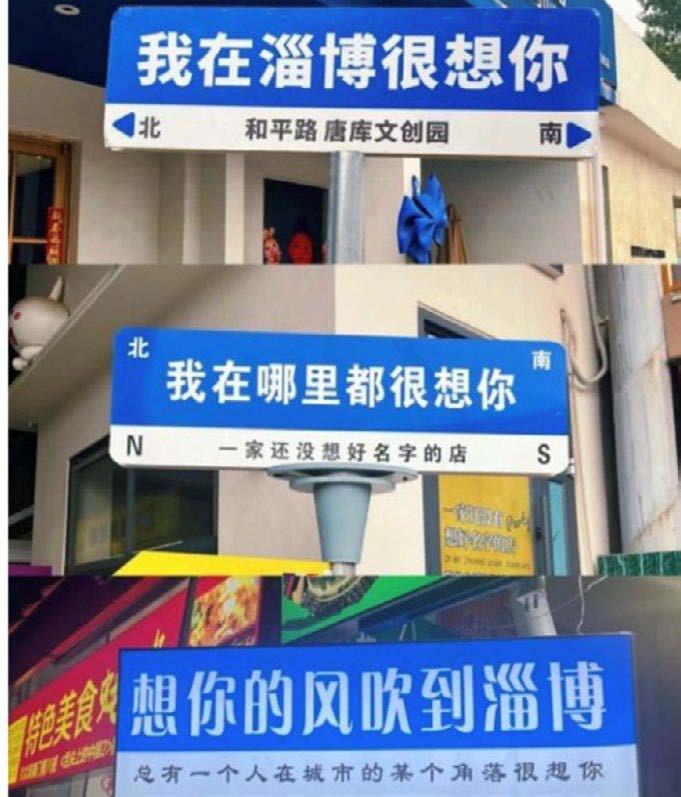
This qualitative case study explains how Zibo, a third‑tier industrial city, went viral in 2023 through coordinated actions by the local government, platforms, multi-channel networks (MCNs), businesses, and residents. These stakeholders rapidly co‑planned transport, events, signage, and “barbecue” branding while leveraging livestreaming and short‑video networks. The analysis introduces the concept of “mediatised culturalisation”, showing how digital media logics (such as variability, templatability and interactivity) are translated into material urban placemaking, enabled by policy-industry partnerships and citizen participation. By integrating policy documents, media reports, industry analyses, and platform content, the study highlights how data‑driven collaboration and public-private-community partnerships can scale city branding and identify risks (including homogenisation, displacement and sustainability concerns) that call for inclusive and accountable governance. These findings align with SDG 17.16-17.18 on the importance of effective partnerships and data capacity for sustainable development.
Evolving Legacy: Decoding the scientific trajectory of Chinese medicine
Collaboration between Elsevier and Hong Kong Baptist University
Authors: Yingying ZHOU, Lu ZHAO, Yunxiaoxiao ZHANG, Elisabeth BROWNING, Yandan LIN, Aiping LYU, Kam Wa CHAN, Ping GUO, Jingwen MU, Christy M K CHEUNG, Lu WANG
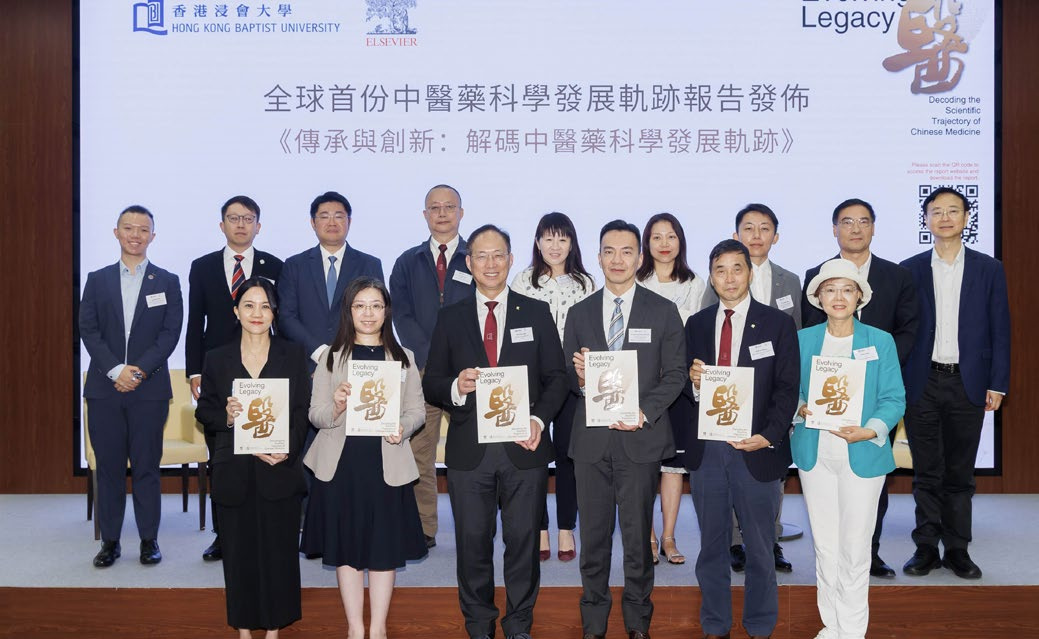
Covering 200,000+ publications (2014–2023), the report maps collaboration across 188 countries, with Chinese medicine output nearly tripling at a compound annual growth rate of 10.6% (vs. 3.9% globally). The partnership exemplifies SDG 17, combining HKBU’s leadership with Elsevier’s analytics to enable benchmarking, shared evidence, and capacity-building across medicine, biochemistry, and pharmacology. HKBU’s performance—1,764 publications, Field-Weighted Citation Impact (FWCI) of 1.62, and 28.1% top-decile—shows how joint analytics inform standards (e.g. clinical trial reporting), accelerate drug-delivery research, and advance molecular pharmacognosy. The HKBU–Elsevier collaboration strengthens cross-sector, international partnerships uniting traditional knowledge and modern science, driving sustainable, data-driven health innovation.
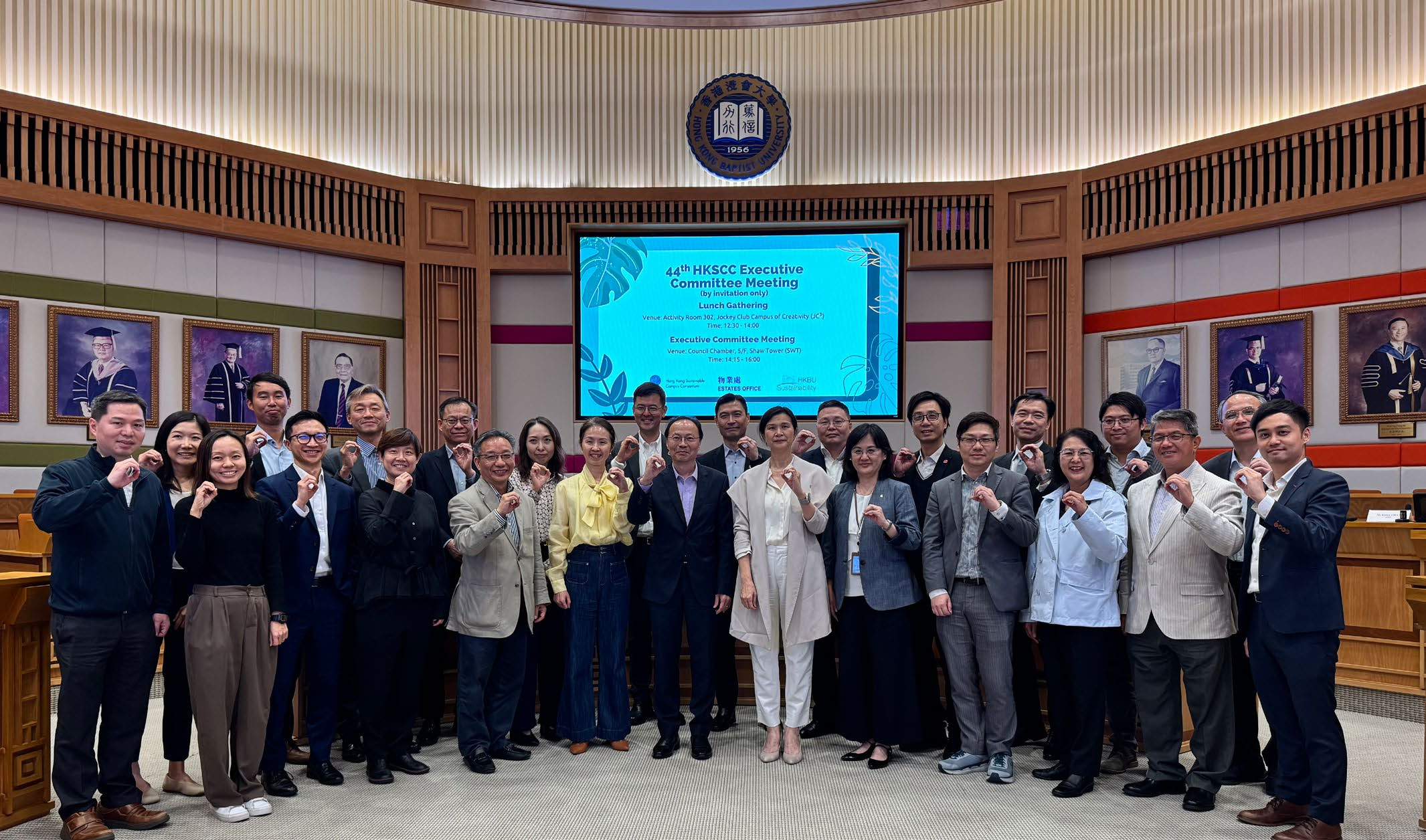
During its 2024-25 convenorship, HKBU led the Hong Kong Sustainable Campus Consortium (HKSCC), fostering collaboration among eight universities to advance carbon neutrality and sustainability. HKBU chaired annual meetings, facilitated the sharing of best practices, and supported impactful campaigns such as the Carbon Reduction Action in partnership with the Environmental Campaign Committee. Key achievements included HKSCC’s endorsement of the Joint Commitment on Carbon Neutrality by 2050, progress in waste reduction and recycling, as well as the launch of innovative green engagement initiatives for students and staff. A highlight of the year was an address by the Commissioner for Climate Change from the Environment and Ecology Bureau, which focused on targeted carbon neutrality, decarbonisation strategies and the important role of partnerships in research and community capacity-building. The year concluded with enriched cultural and educational programmes, stakeholder engagement and a renewed pledge to support Hong Kong’s Climate Action Plan 2050.
Expanding international partnerships for sustainability
Since joining the International Sustainable Campus Network in December 2023, HKBU has strengthened global exchanges on campus sustainability, actively learning from and sharing best practices with peer institutions. In addition, HKBU has participated in the Campus as a Living Lab Community of Practice, engaging in discussions and small group meetings to advance the implementation of living lab initiatives across the University.
Engaging the public in everyday low-carbon living
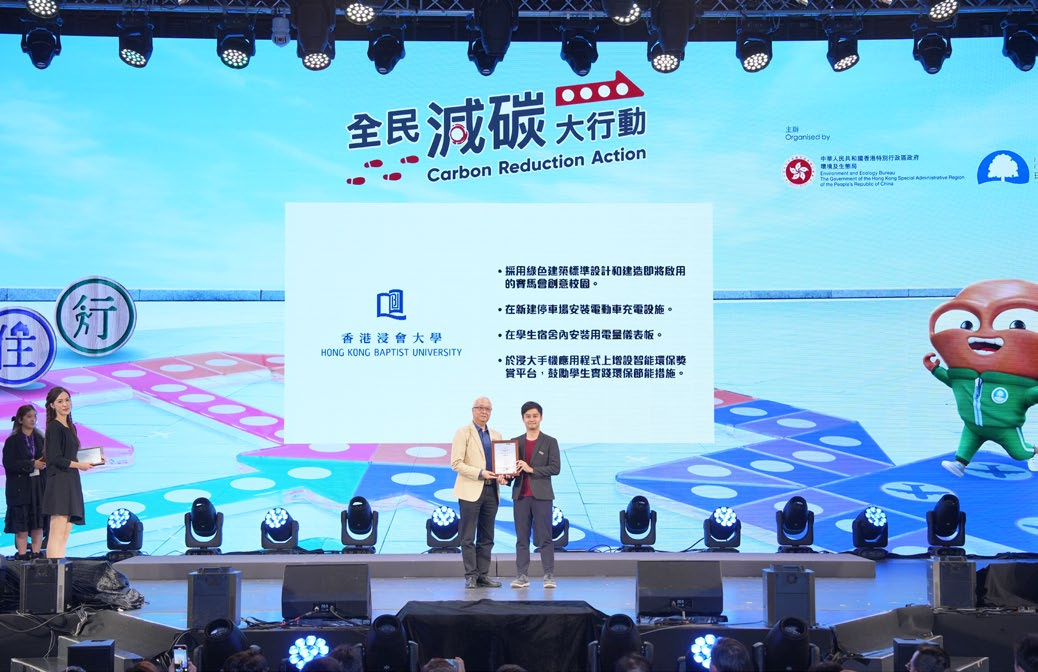
HKBU supported the Carbon Reduction Action Campaign co-organised by the Environment and Ecology Bureau and the Environmental Campaign Committee. The campaign aimed to promote everyday low-carbon habits. Participants were encouraged to learn about carbon reduction actions, with the opportunity to enter a lucky draw for tickets to the “Zero Carbon Concert”. The campaign successfully raised awareness and actively engaged the public in carbon reduction efforts. Through the active participation in the campaign, HKBU was recognised as one of the key strategic partners of the Carbon Reduction Action Campaign during the closing ceremony held in January 2025.
Promoting sustainable travel
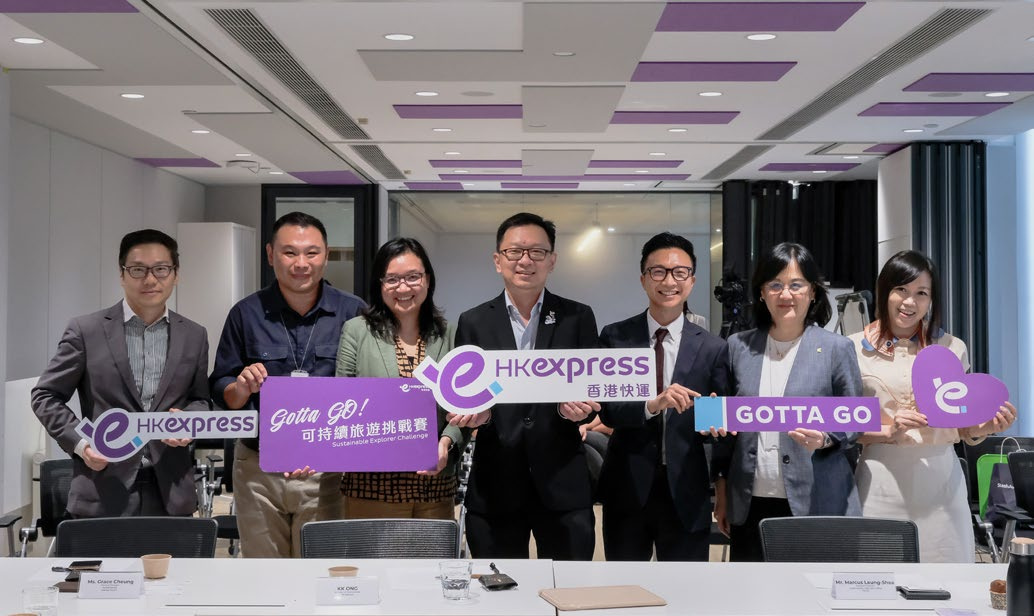
Organised by HK Express, this annual initiative invites university students to design and implement low-carbon travel itineraries that promote sustainable tourism. The Director of Estates of HKBU acted as one of the panel judges in the Final Battle of the Gotta GO! Sustainable Explorer Challenge 2025. A team of HKBU students successfully advanced to the final contest, and was awarded the 2nd runner-up in the Gotta GO! Sustainable Explorer Challenge 2025 competition, sharing their experiences on social media to advocate for sustainable travel. Their participation helped raise awareness about carbon footprints and encouraged responsible travel choices among the wider community.
Driving Hong Kong’s leadership in sustainable technology
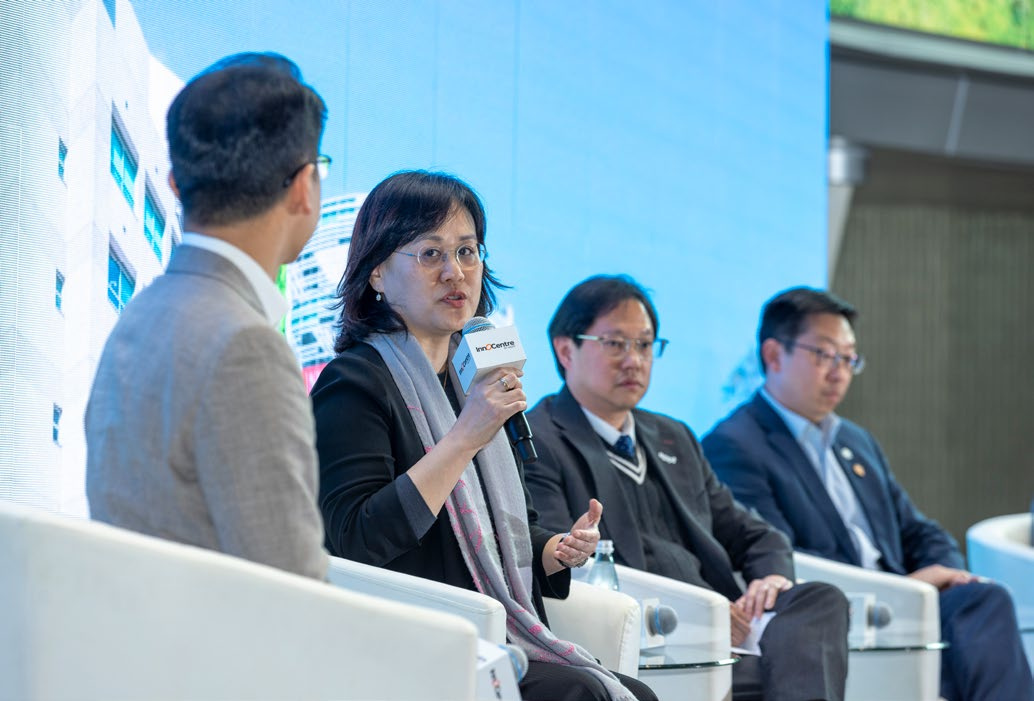
Established by the Hong Kong Science and Technology Parks Corporation in March 2025, the GreenTech Hub represents a major milestone in Hong Kong’s development as a green technology centre in Asia. The opening ceremony of the GreenTech Hub brought together industry leaders, academics and policymakers to promote innovation and collaboration in sustainable technologies. HKBU is proud to partner in this initiative, with its Director of Estates serving as a guest speaker at the event.
HKBU Sustainability Report 2024 - 2025