SDG 09: Industry, Innovation and Infrastructure
SDG 09:
INDUSTRY, INNOVATION AND INFRASTRUCTURE
Build resilient infrastructure, promote inclusive and sustainable industrialisation and foster innovation.
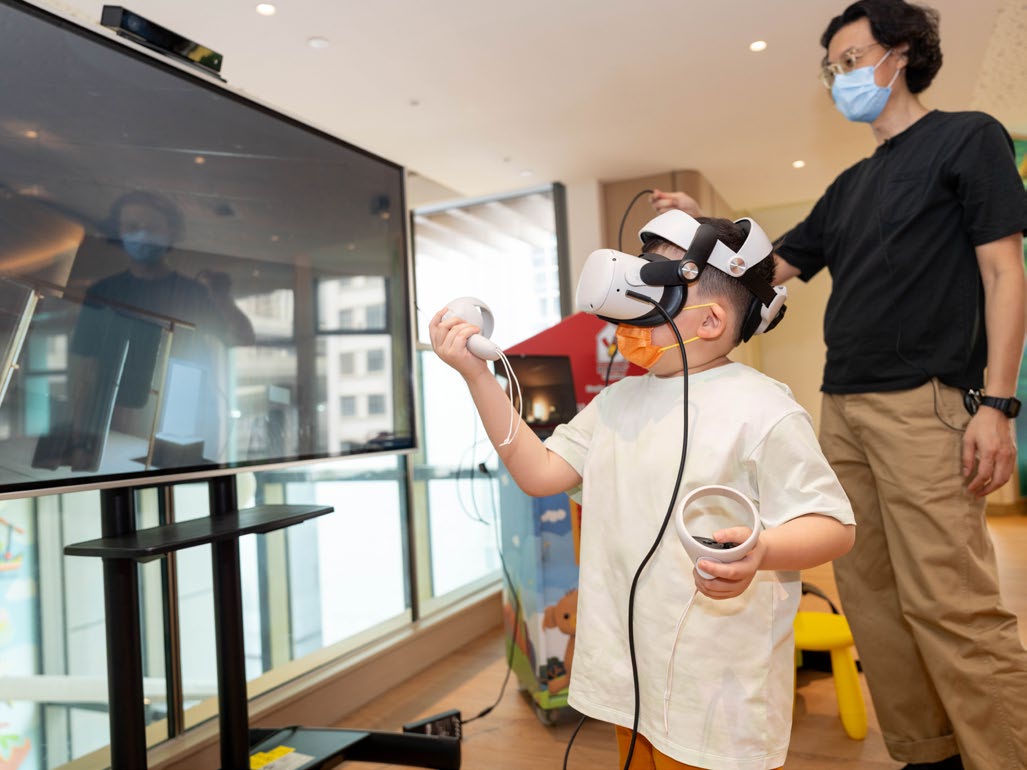
In the service-learning courses “Virtual World: Design and Interaction” and “Creative Production in Extended Reality” taught by Mr Yu Ka-ho at the Department of Interactive Media, students applied technological innovation to support children and families from Ronald McDonald House Charities (RMHC) Hong Kong.
Through this engagement, 51 students designed immersive games and virtual-reality (VR) experiences exploring a wide range of themes – from well-being and self-image, to imaginative worlds, to yearning for freedom, and to facing end-of-life. By listening to the stories and everyday challenges faced by RMHC families, the students gained valuable insights that informed their empathetic and user-centred design approach. The resulting virtual environments mirrored reassuring real-world spaces, providing digital recreations of positive experiences tailored to RMHC’s children and their families. As a bonus, students created a virtual and interactive tour of RMHC’s space, which was captured using “digital twins”. More than 500 visitors from around the world have visited the newly built RMHC Kwun Tong.
These courses fostered human-centred innovation, demonstrating how university– community partnerships can strengthen accessible and inclusive digital infrastructure for health and wellbeing. The experience expanded students’ perspectives on how technological advancements can be leveraged for social good, while the RMHC families benefitted from engaging and personalised experiences created specifically for them.
Gateway to explore manufacturing market opportunities in the Chinese Mainland
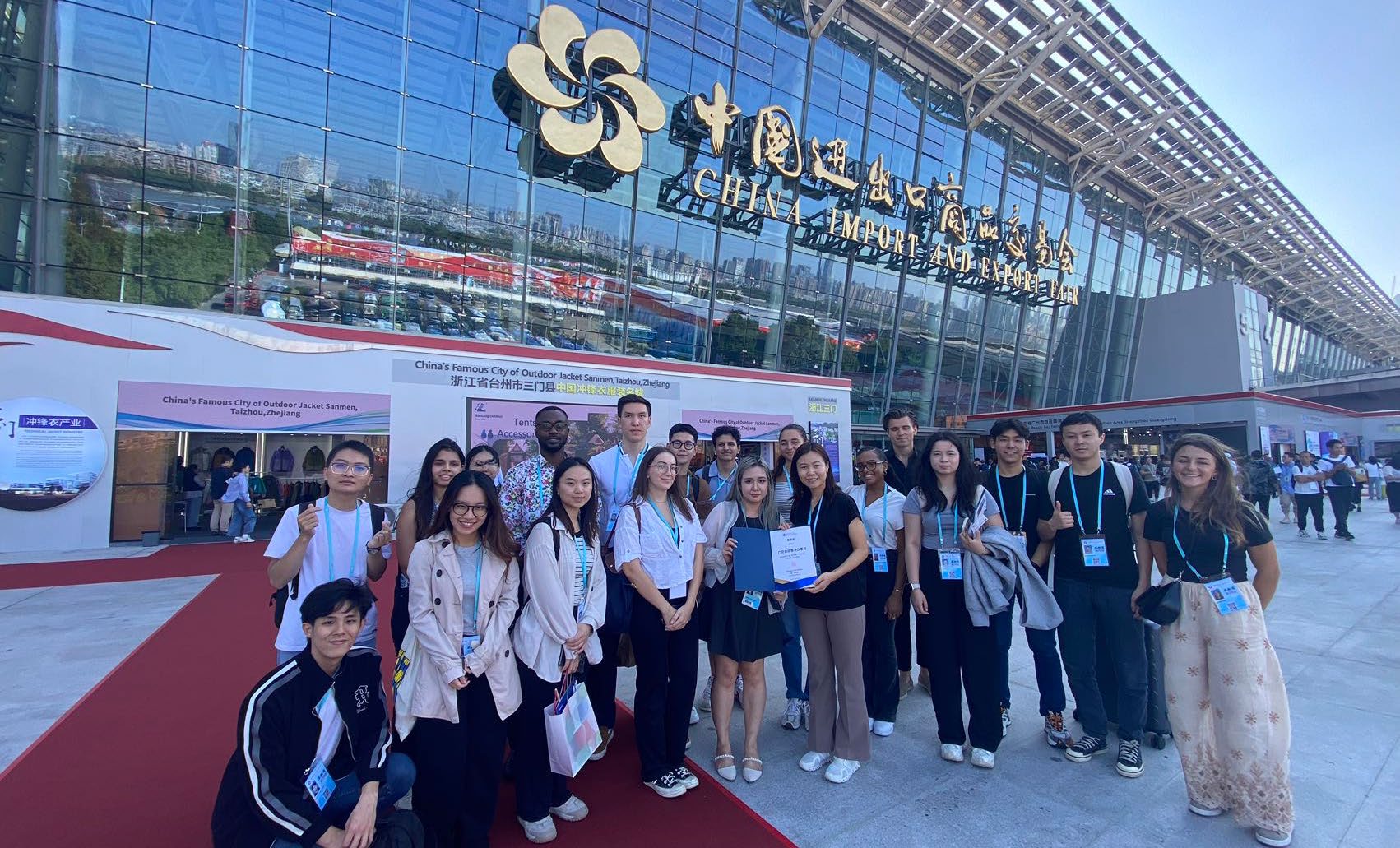
The Career Centre organised a Greater Bay Area Start-up Exploration Trip on 31 October 2024, taking a group of 18 students to attend the 134th China Import and Export Fair (Canton Fair) in Guangzhou. The Canton Fair is the largest trade fair in the Chinese Mainland, facilitating 1,600 exhibitors from different industries, including manufacturing, electronics and appliances, vehicles, and two wheels, as well as thousands of buyers from around the world, to gain business opportunities.
This event provided aspiring student entrepreneurs with an excellent opportunity to explore the Chinese market and its supply chains, gain insights into recent technology developments and build valuable business networks. Students were able to interact directly with exhibitors and buyers, gaining first-hand insights into product innovation, as well as market opportunities and challenges to inclusive and sustainable industrialisation in the Chinese Mainland – all of which are valuable for those interested in launching their own start-ups.
Department of Accountancy, Economics and Finance
Authors: Jiandong JU, Hong MA, Zi WANG*, Xiaodong ZHU
*Corresponding author
This study examines the US-China trade war and industrial policy rivalries, using a model to assess subsidies such as “Made in China 2025” and tariffs on high-tech sectors. It finds that well-designed subsidies can boost the welfare of both nations by leveraging scale economies, while tariffs often lead to losses, suggesting that subsidies are a less distortive alternative. Relevant to SDG 9, the research advances sustainable industrialisation by providing data-driven insights into fostering innovation, resilient infrastructure, and efficient global supply chains. It highlights how policies can promote technological progress without escalating conflicts, aiding inclusive economic development. By analysing real-world scenarios like semiconductor subsidies, it equips policymakers to build innovative industries that support long-term sustainability, reduce inequalities in access to technology, and enhance global partnerships for shared prosperity.
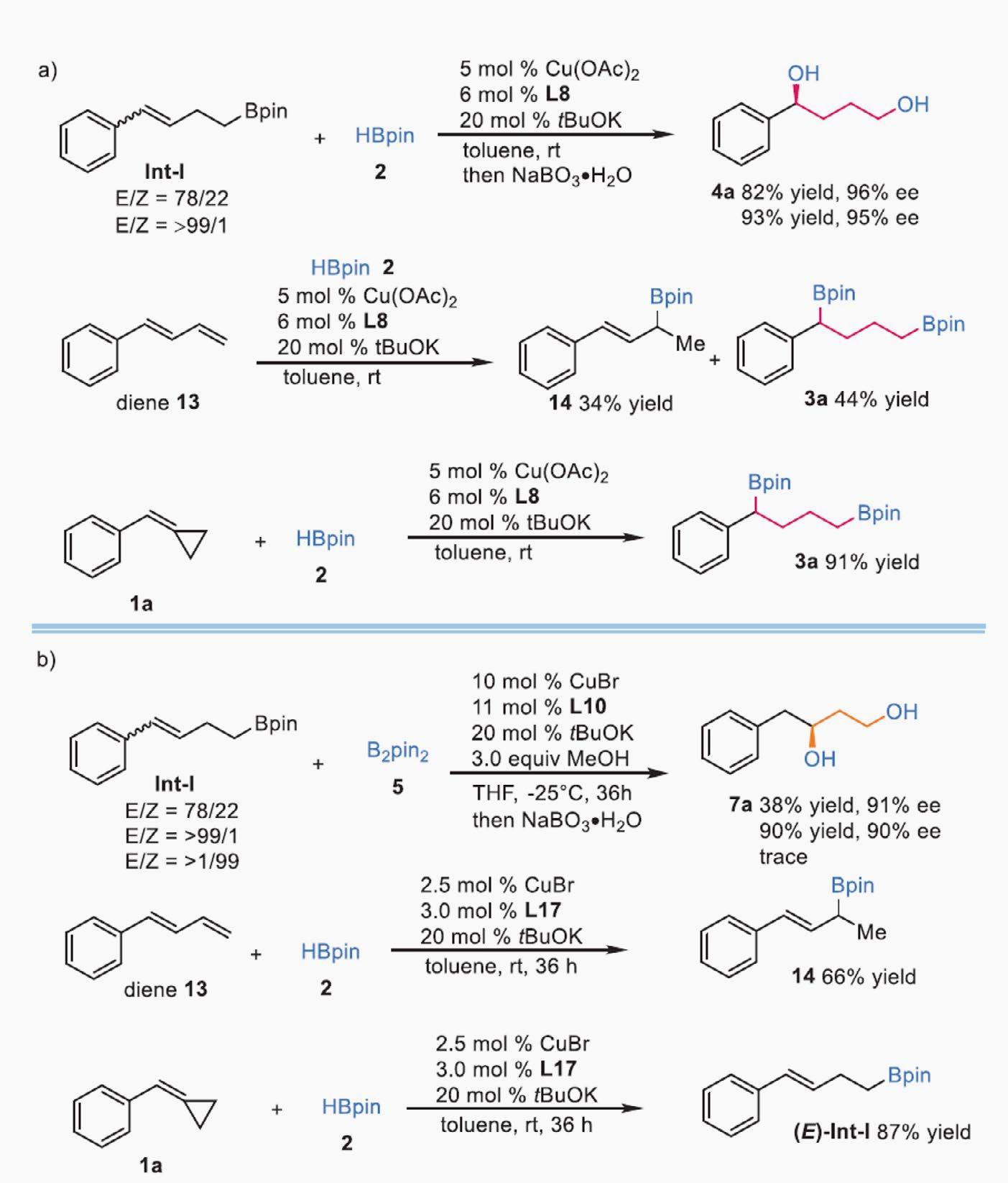
Enantio- and regioselective cascade hydroboration of methylenecyclopropanes for facile access to chiral 1,3- and 1,4-Bis(boronates)
Department of Chemistry
Authors: Jian ZHOU, Ling MENG, Ziyi YANG, and Jun (Joelle) WANG*
*Corresponding author
This study introduces a copper-catalysed asymmetric cascade hydroboration of methylenecyclopropanes, producing chiral 1,3- and 1,4-bis(boronates) with high yields and selectivity using affordable catalysts and simple substrates. These compounds are versatile for building complex structures in drugs and materials, addressing challenges in accessibility and efficiency. Relevant to SDG 9, it fosters innovation in chemical synthesis, enabling sustainable industrial processes that reduce energy use and waste, while enhancing technological capabilities. In fields like pharmaceuticals, where chirality is key for efficacy, this method supports resilient infrastructure by providing scalable, eco-friendly tools for molecular design. By merging ringopening with hydroboration, it exemplifies research-driven advancements that promote inclusive industrialisation, particularly in Asia’s growing biotech sectors, contributing to global efforts for innovative, resource-efficient economies.
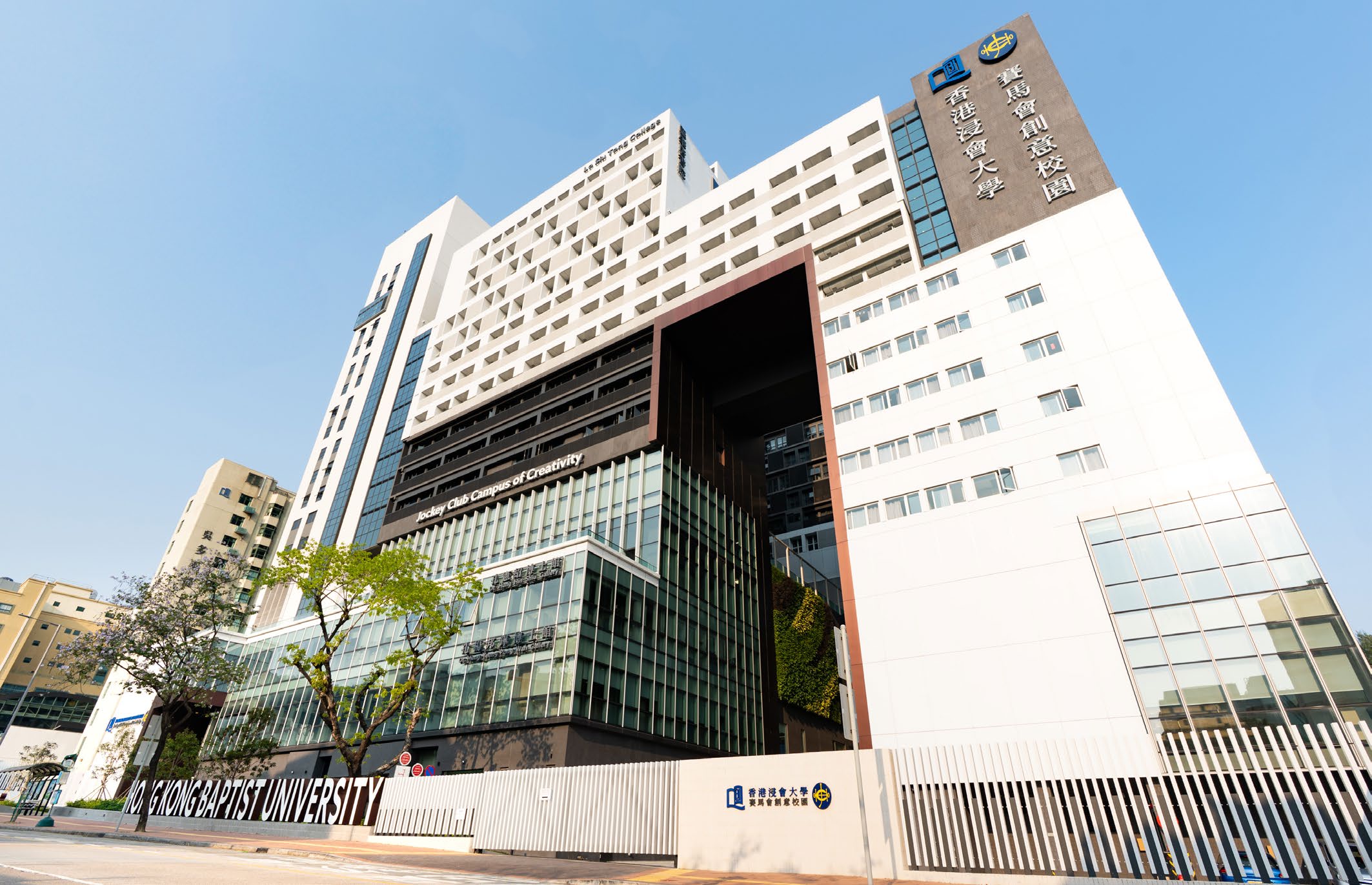
The Jockey Club Campus of Creativity (JC3), operational since March 2025, exemplifies sustainable and innovative campus development through the vertical integration of teaching, residential and social spaces.
Key sustainable features of JC3 include integrated energy-saving technologies, naturally ventilated architectural planning, roof gardens, and a central sky courtyard plaza that supports diverse outdoor activities and enhances connections with the surrounding neighbourhood.
With strong green credentials, JC3 earned the Merit Award in the Green Building Award 2021 under the “New Buildings Category: Projects Under Construction and/or Design – Institutional,” and has been selected as a finalist in the Green Building Award 2025 under the “New Buildings Category: Completed Projects – Institutional”. JC3 has completed its BEAM Plus Assessment and obtained “Final Gold” rating, certified by the Hong Kong Green Building Council Limited in September 2025. This achievement underscores the University’s commitment to reducing environmental impact and enhancing occupant well-being.
HKBU Sustainability Report 2024 - 2025