SDG 01: No Poverty
SDG 01:
NO POVERTY
End poverty in all its forms everywhere.
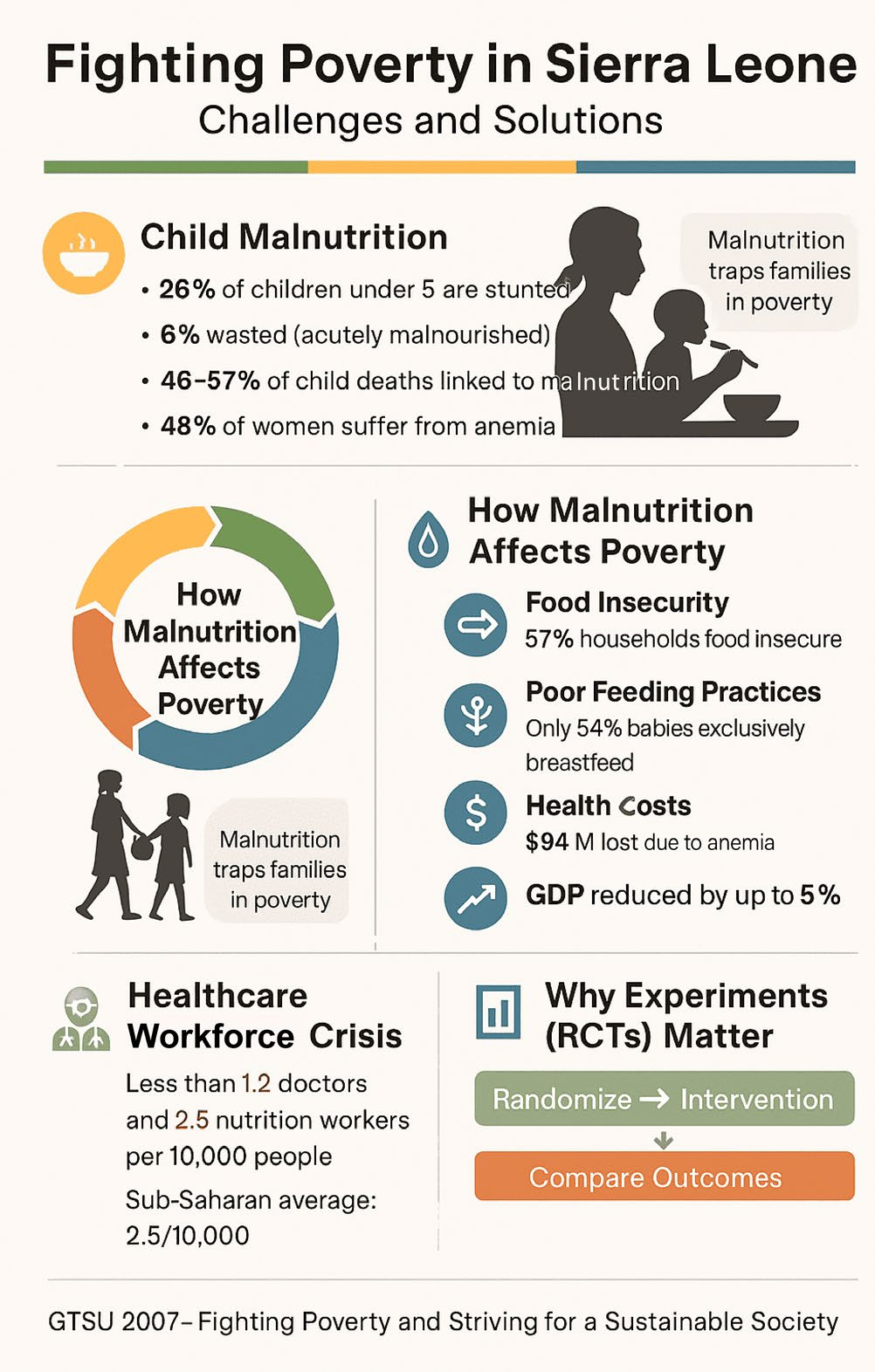
The General Education course, “Fighting Poverty and Striving for a Sustainable Society”, taught by Dr Nnetu-Okolieuwa Vivian Ikwuoma, developed students’ capacity to analyse income inequality and multidimensional poverty in both developing and developed countries, equipping them to design effective poverty-reduction policies. The 149 students of the course learned core poverty-measurement methods, such as setting poverty lines and calculating poverty rates. They examined the lived experiences of the poor and investigated the micro and macro causes of poverty as a global challenge. Through interactive case studies and collaborative group projects, students collected and analysed data, compared international experiences, and formulated evidence-based, pro-poor policy recommendations to alleviate poverty. Integrating transdisciplinary perspectives into poverty issues, the course enabled students to connect poverty-reduction efforts to broader sustainable development goals of sustainable development, including eradicating extreme poverty and inequality, expanding access to basic services and economic resources, and strengthening the resilience of vulnerable groups to shocks.
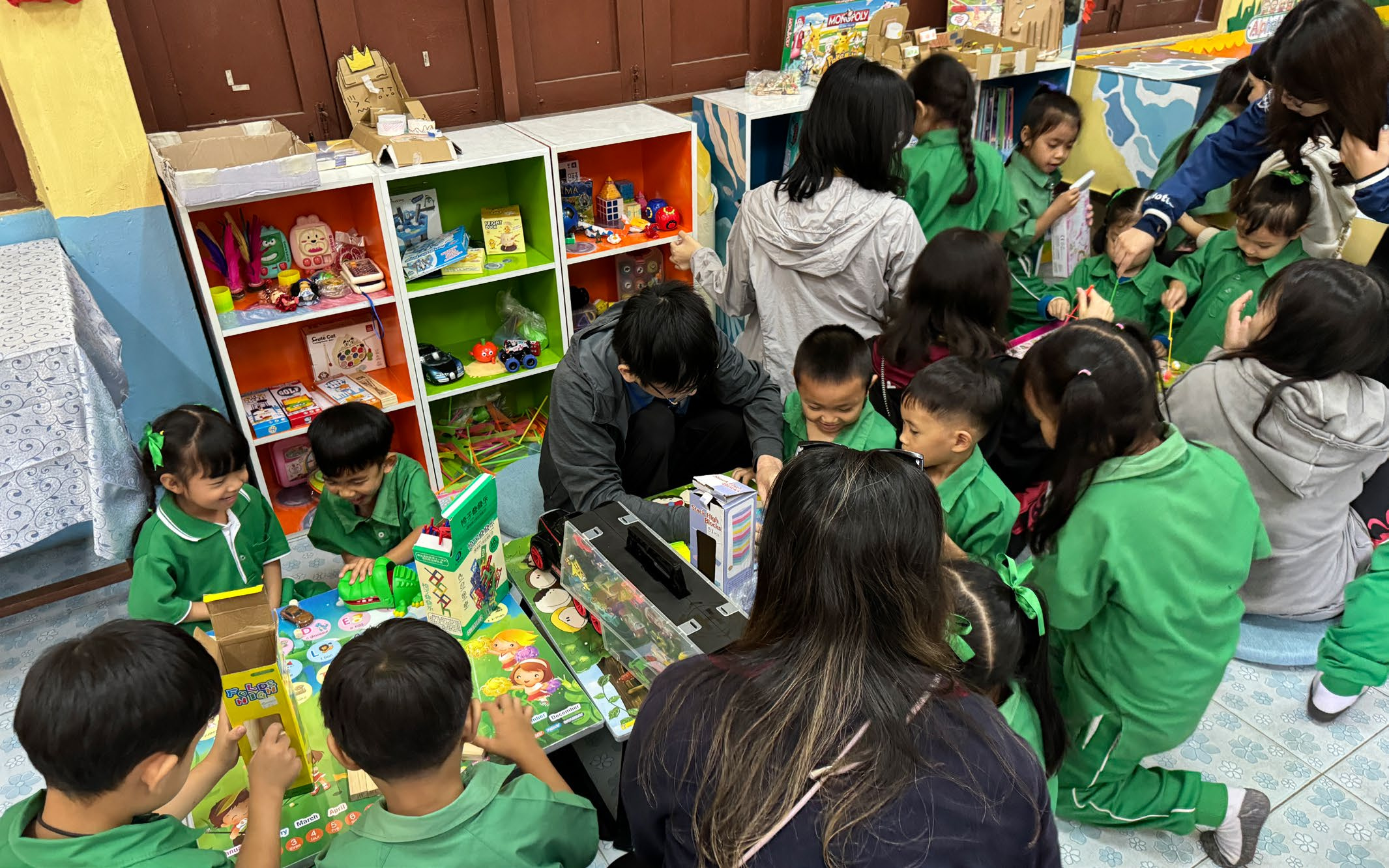
University YMCA (HKBU) organised the “Come Play With Us” Chiang Mai Cultural Exchange and Service Trip, an initiative to address poverty and reduce inequality in developing countries. Over the course of the journey, 13 student participants engaged in immersive experiences designed to deepen their understanding of poverty and various social challenges in Chiang Mai, Thailand. A highlight of the trip was partnering with a local school to create a toy library. From painting vibrant wall art to crafting handmade toys and constructing bookshelves, the students brought joy and creativity into the learning environment. The library was stocked with second-hand toys collected from Hong Kong, ensuring more than 150 children in the school, regardless of family income, could enjoy a more enriching childhood.
Academy of Wellness and Human Development
Authors: Jiajia ZHOU*, Rui KANG
*Corresponding author
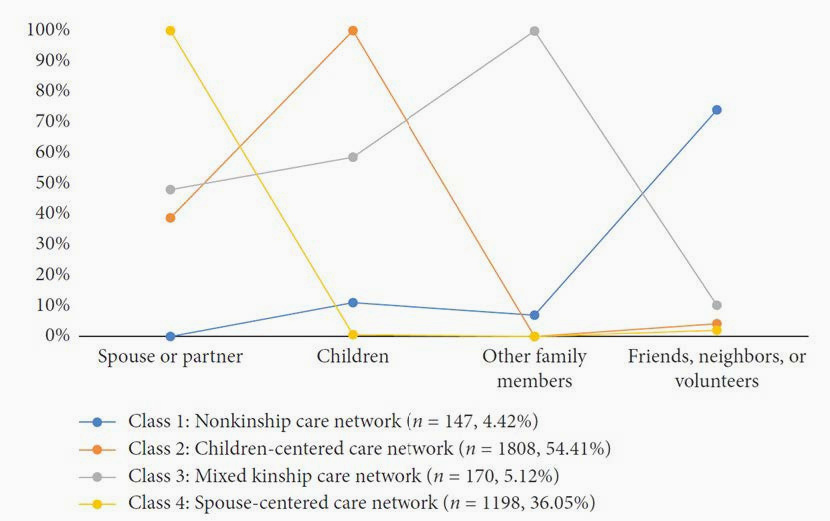
The study analyses informal care networks for Chinese adults aged 50 and above with functional difficulties, using data from 3,323 participants in the 2020 China Health and Retirement Longitudinal Study. It identifies four network types: nonkinship (4.42%), children-centred (54.41%), mixed kinship (5.12%), and spouse-centred (36.05%). Factors like greater limitations in Instrumental Activities of Daily Living (IADL), larger family size, household internet access, and public pension enrollment influence these networks, with children-centred ones linked to better support coordination. By revealing how diverse social ties provide care amid declining family structures, the research supports SDG 1 by addressing poverty risks for vulnerable older adults. Strong informal networks reduce economic burdens from formal care costs, enhance financial security, and promote inclusive policies for low-income groups, informing strategies to alleviate multidimensional poverty in ageing populations.
Firm compliance, state enforcement and social insurance coverage in China
Academy of Geography, Sociology and International Studies
Authors: Jiwei QIAN, Zhuoyi WEN*, Jin JIANG
*Corresponding author
This research investigates the dramatic expansion of social insurance coverage in the Chinese Mainland as a critical factor for poverty reduction and inclusive social protection. The study reveals that firm-level compliance—rather than direct state enforcement—is the key driver in ensuring workers, especially in the informal sector, gain access to pension, health, and other essential insurances. Using large national survey data, the analysis shows that companies with trade unions and larger firm sizes are more likely to register their employees for social insurance, improving economic security and reducing vulnerability. The findings indicate that effective policies encouraging firms to comply with labour regulations can significantly extend safety nets to previously excluded groups, such as migrant and informal sector workers. This helps break cycles of poverty and supports Chinese Mainland’s progress toward universal social protection aligned with SDG 1 targets for ending poverty and enhancing economic inclusion.
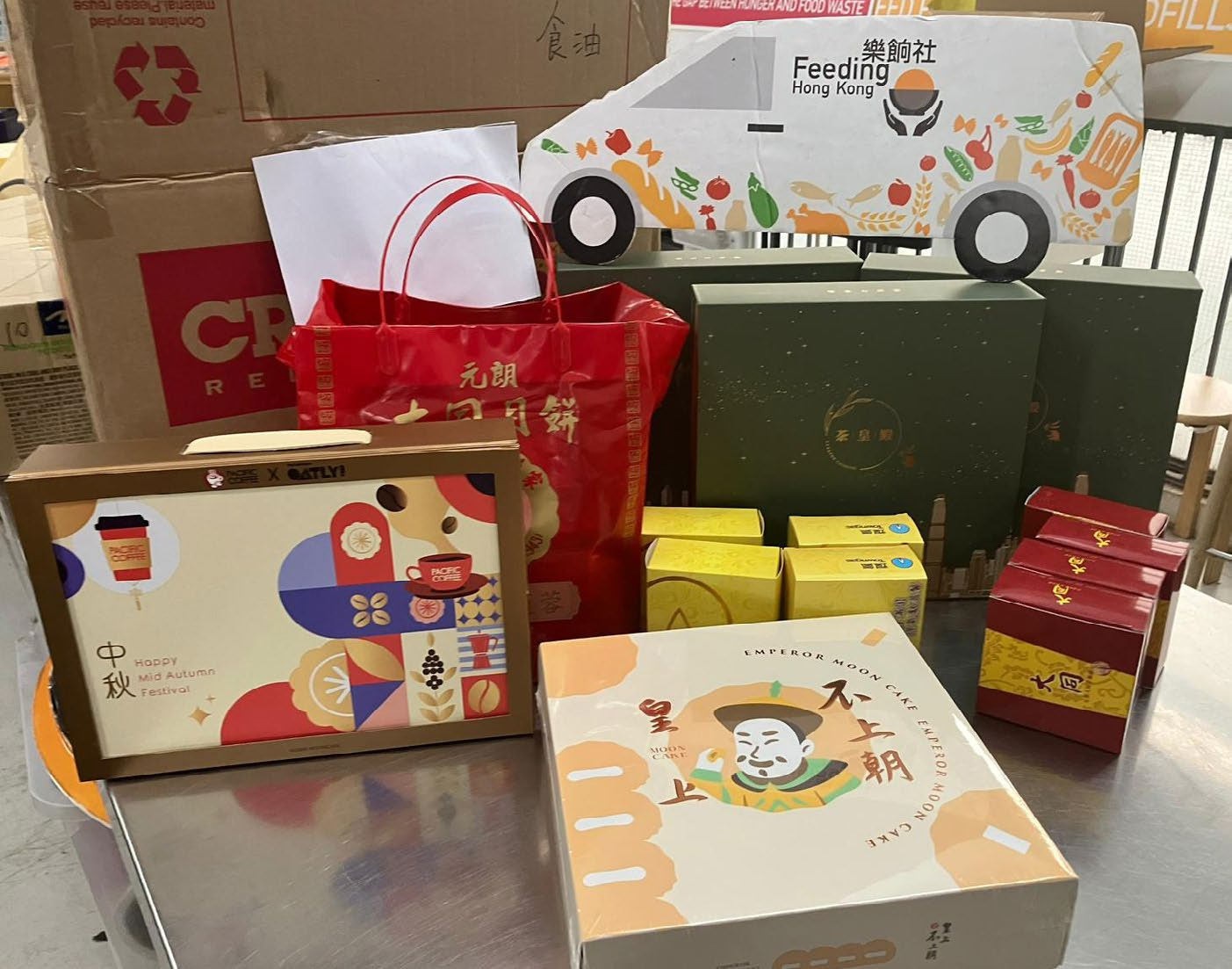
To combat poverty, the Human Resources Office supported Feeding Hong Kong’s “Mooncake Madness” campaign during the Mid-Autumn Festival. Staff members were encouraged to donate mooncakes, which were then distributed to underprivileged families, fostering social inclusion and spreading festive joy.
HKBU Sustainability Report 2024 - 2025