SDG 03: Good Health and Well-Being
SDG 03:
GOOD HEALTH AND WELL-BEING
Ensure healthy lives and promote well-being for all at all ages.
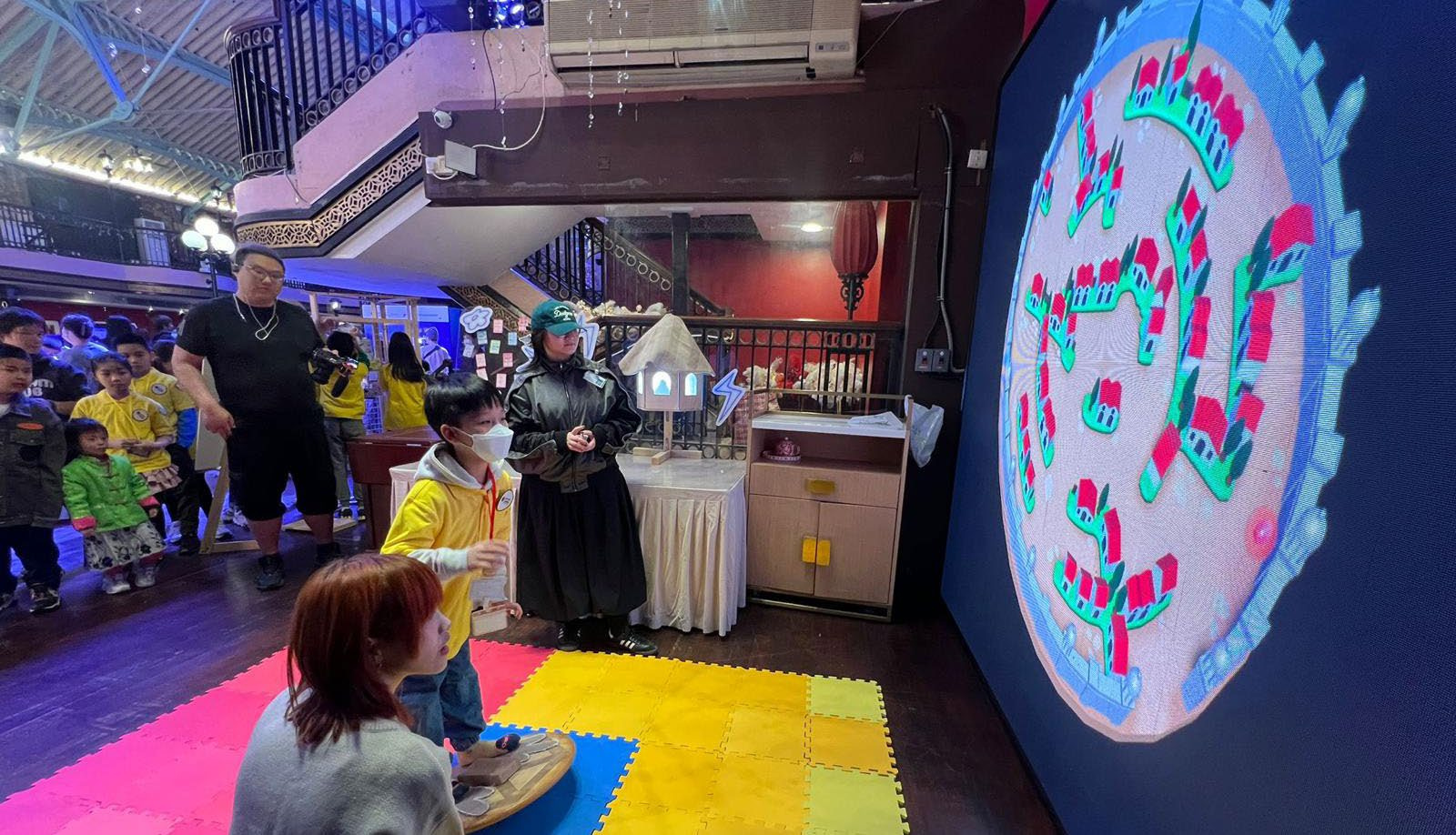
Co-taught by Professor Kingsley Ng, Professor Kachi Chan, and Professor Samuel Swope of the Academy of Visual Arts; and Professor Taurin Barrera of the Academy of Music, and in partnership with Caritas Hong Kong, 39 students from the course ARTT 3005 Transdisciplinary Collaboration I developed the “Meaningful Play” arts immersion exhibition in April 2025, attracting around 300 visitors.
The initiative promoted play as a powerful tool to support health and well-being, with a focus on fostering positive emotional regulation and social relationships among children. It also offered resources and interventions for children experiencing trauma, depression, anxiety, and related mental health challenges, thereby advancing healthy lives and well-being for children.
De-stressing through therapy animals
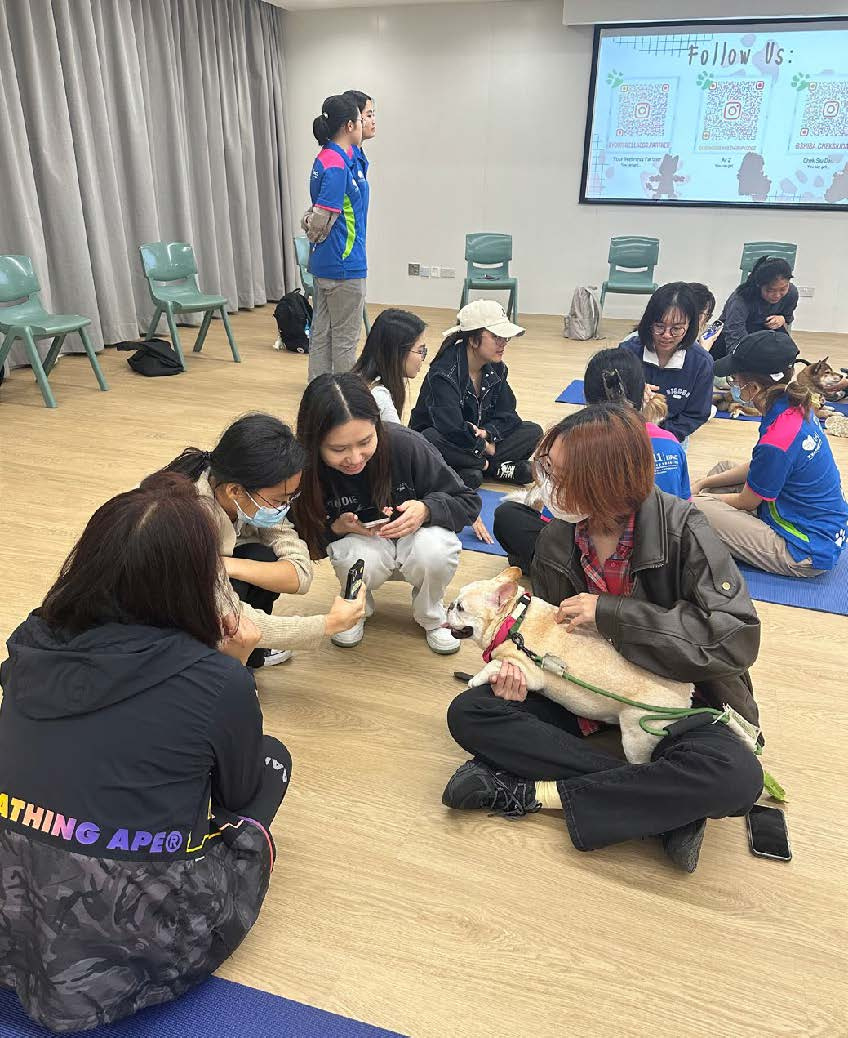
Organised by the Counselling and Development Centre with the Hong Kong Institute of Animal Assisted Intervention, the “De-stress through Therapy Animals” sessions created a calm and welcoming space on Shaw Campus during the examination periods. Across four days both in Semesters 1 and 2 and serving 325 students, trained therapy dogs and handlers offered quiet, consent-based interaction, mindful petting, and brief psychoeducation on stress management. The sessions encouraged grounding and emotion regulation, restored study focus, and eased loneliness by fostering warm social connection. Handlers modelled respectful, welfare-centred engagement, deepening the understanding of animal-assisted support. Positive feedback, a mean evaluation of 4.86/5, and a strong turnout highlighted the value of humane, holistic initiatives in promoting rest, resilience, and a healthier, more connected university community.
Department of Sports and Health Sciences
Academy of Wellness and Human Development
Authors: Carl JAMES, Borja MUNIZ-PARDOS, Mohammed IHSAN, Ka Kay LO, Wing Kai LAM , Dani Peña IGLESIAS, Konstantinos ANGELOUDIS, Yi TENG, Jiao JIAO, Ke HU, KaKi WONG, Fergus GUPPY, Sébastien RACINAIS, Samuel CHALMERS, Sergio MIGLIORINI, Kenneth WU, Yannis PITSILADIS*
*Corresponding author
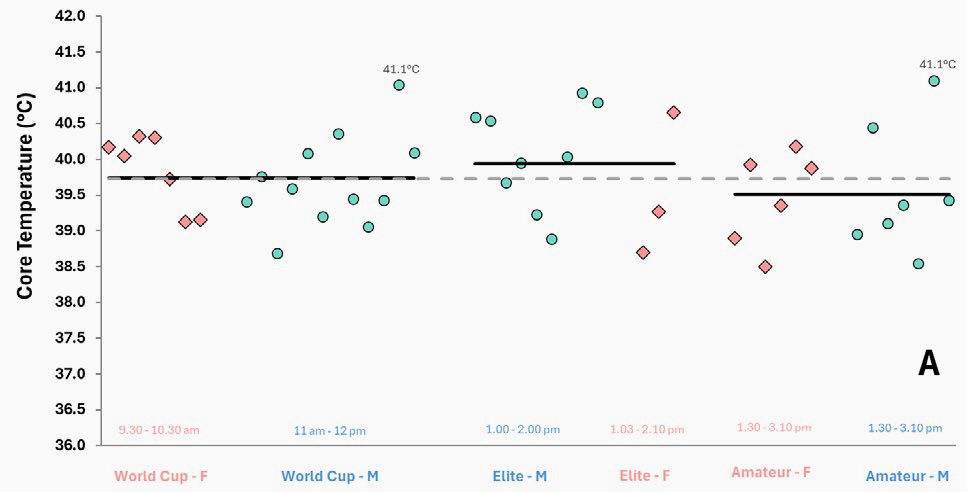
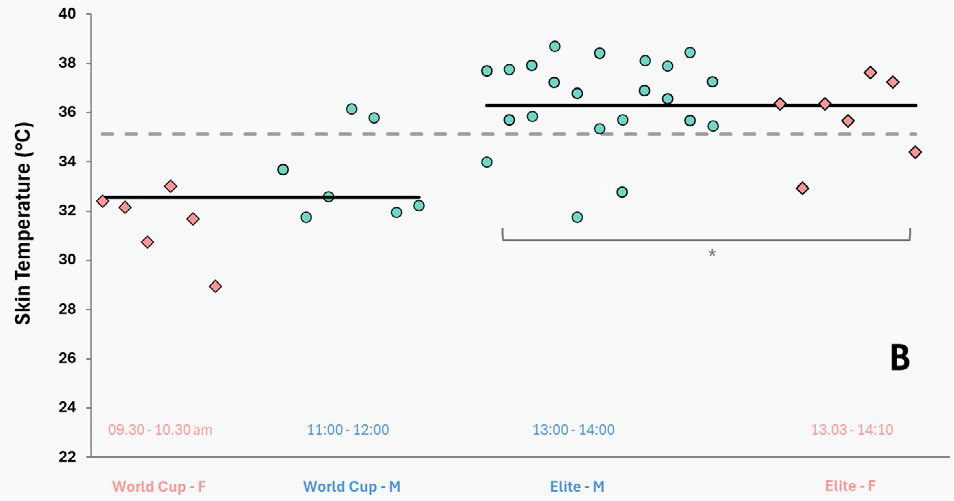
This study monitored 66 triathletes across World Cup, HK-Elite, and Amateur categories during a sprint triathlon in Hong Kong under heatwave conditions, measuring core temperatures up to 41°C without heat illness incidents. It found comparable peak temperatures among groups but greater rises in elites. Relevant to SDG 3, the findings highlight risks of exertional heat illnesses in endurance sports, challenging assumptions that shorter races reduce dangers in hot weather (>30°C WBGT). By identifying safe temperature thresholds and the athletes’ responses, the study supports evidence-based guidelines for event modifications, like earlier starts, to prevent heatrelated health issues. Amid rising global temperatures, this promotes equitable well-being for all athletes, informing policies that enhance safety, reducing environmental health burdens, and fostering resilient sports practices for sustainable human performance.
Classifications of triple-negative breast cancer: Insights and current therapeutic approaches
School of Chinese Medicine
Authors: Ziqi CHEN, Yumeng LIU, Minchuan LYU, Chi Ho CHAN, Meiheng SUN, Xin YANG, Shuangying QIAO, Zheng CHEN, Sifan YU, Meishen REN, Aiping LU, Ge ZHANG, Fangfei LI, Yuanyuan YU*
*Corresponding author
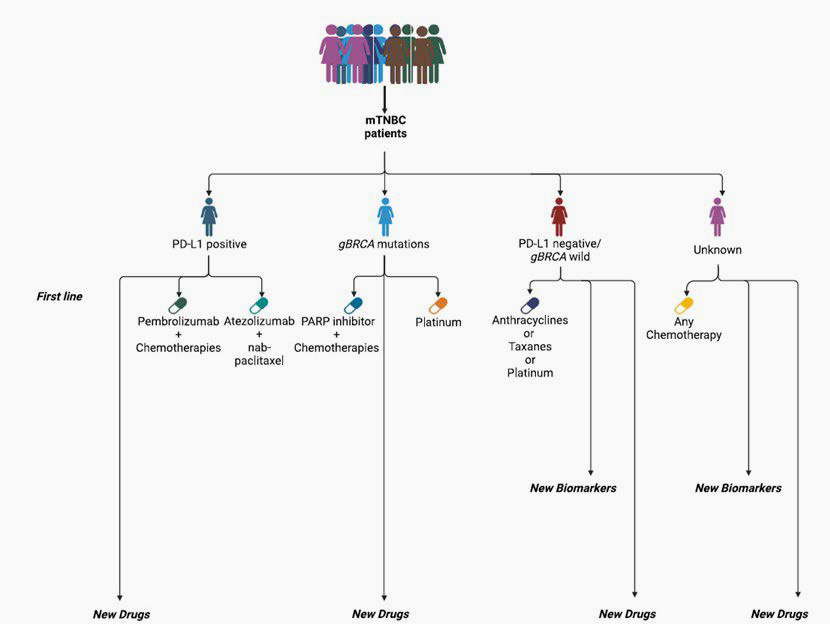
Triple-negative breast cancer (TNBC) is an aggressive form lacking key receptors, making targeted treatments challenging and leading to high recurrence and metastasis rates. This review synthesises TNBC classifications from molecular subtyping (e.g. Lehmann’s six subtypes) to integrative analyses, highlighting heterogeneity in histopathology, proteomics, and genomics. It addresses limitations of conventional therapies like chemotherapy, which often face resistance, and explores innovative strategies such as immune checkpoint inhibitors and PARP inhibitors for subtypes like basal-like or BRCA-mutated. By enabling precise subtyping, the work supports personalised medicine, improving survival outcomes and reducing health disparities, especially among the young and low-socioeconomic groups. This aligns with SDG 3 by advancing effective treatments to combat non-communicable diseases, reducing premature mortality from cancer through better diagnostics and targeted therapies.
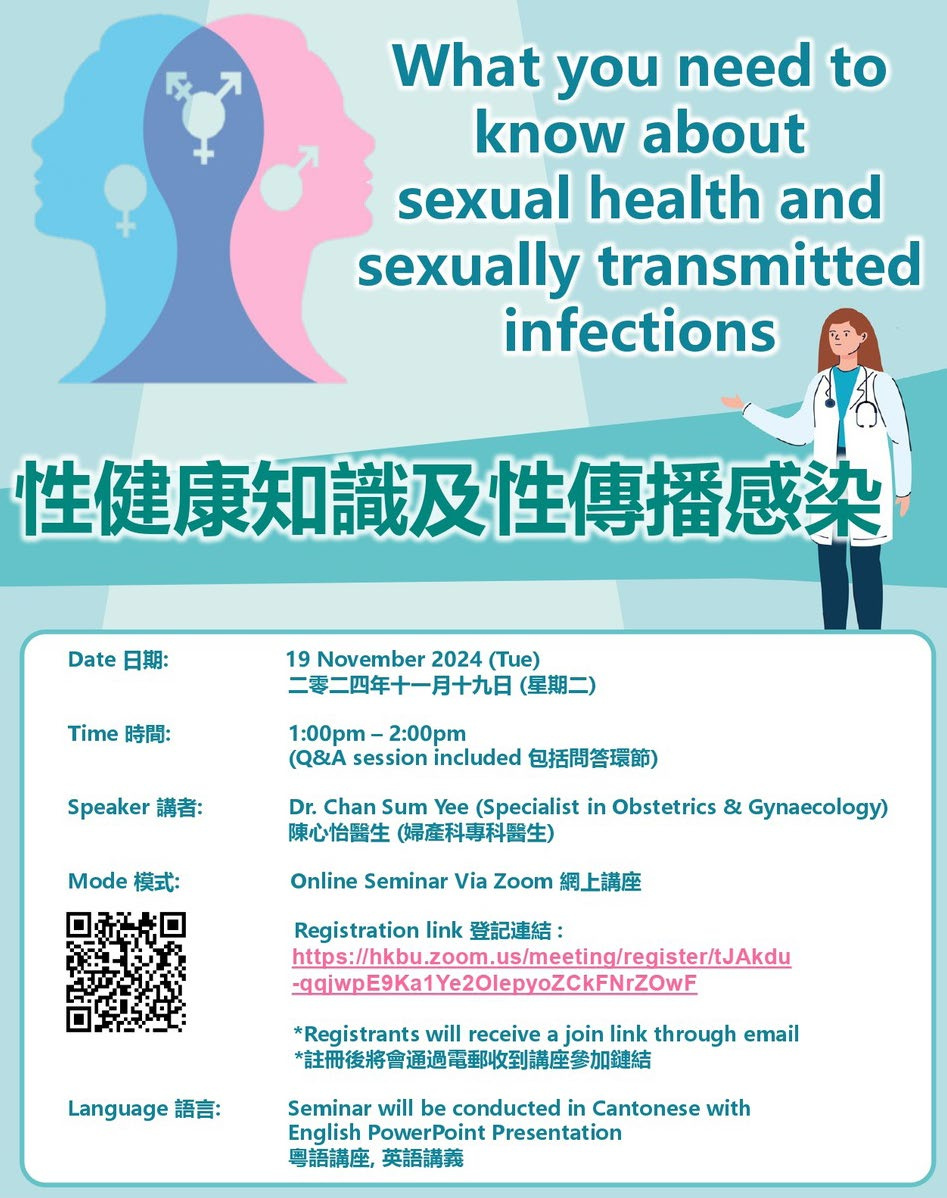
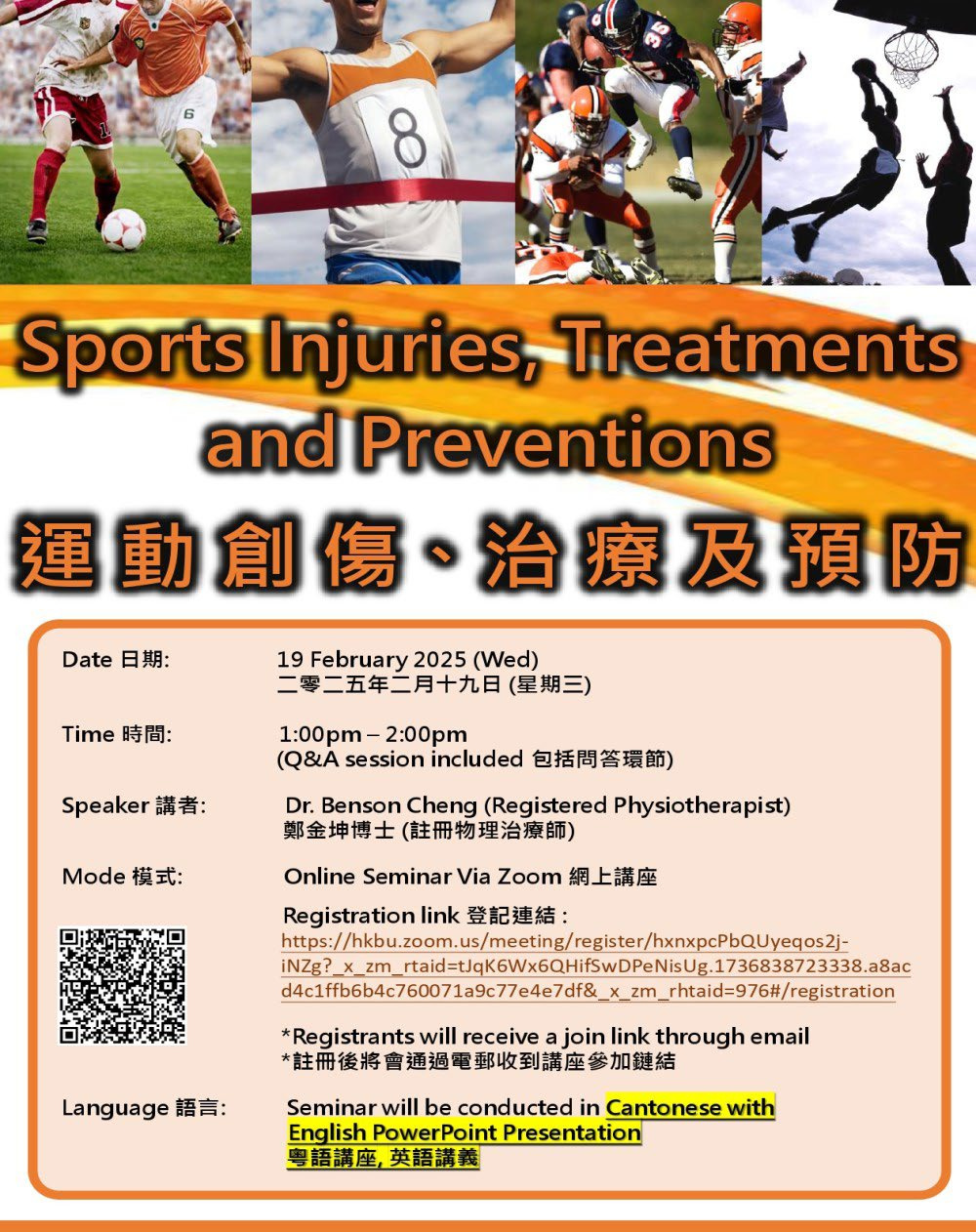
The University demonstrates a strong commitment to health education and outreach through a variety of dedicated programmes. The Annual Medical Clinic Welcoming Programme supports first-year students by offering free vital health screenings, including checks of height, weight, blood pressure, pulse, and vision tests, along with health questionnaires to help in the early detection of potential health issues. Regular seminars on sexual and reproductive health led by healthcare professionals are also organised, such as the talk titled “What You Need to Know About Sexual Health and Sexually Transmitted Infections” held in November 2024. Recognising the importance of physical fitness and injury prevention, a seminar on “Sports Injuries: Treatments and Prevention” was held in February 2025 to educate students on maintaining safety and health during sports and physical activities.
Healthcare services
The University supports the health and wellbeing of students, staff, and their families through a wide range of healthcare services, addressing both physical and mental health needs. The Health Services Centre provides quality on-campus medical care, including routine check-ups, consultations, and treatment for minor illnesses. The University also partners with external dental clinics to offer discounted rates for University members. In collaboration with the Department of Health, the University supports public health programmes, such as the Human Papillomavirus Vaccination Catch-up Programme, which offers eligible female Hong Kong residents born between 2004 and 2008 the opportunity to receive vaccinations conveniently on campus.
Mental health support
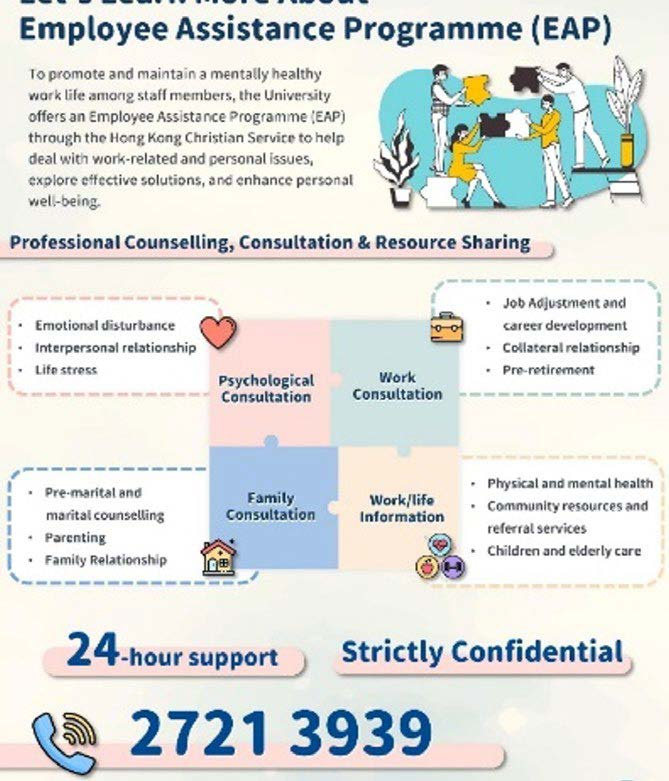
The University is committed to the mental well-being of its staff through the Employee Assistance Programme, which offers professional counselling and resources to address workplace and personal challenges. Management sessions are organised to equip staff in managerial and supervisory roles with practical knowledge for managing emotional situations at work.
Employee wellness day
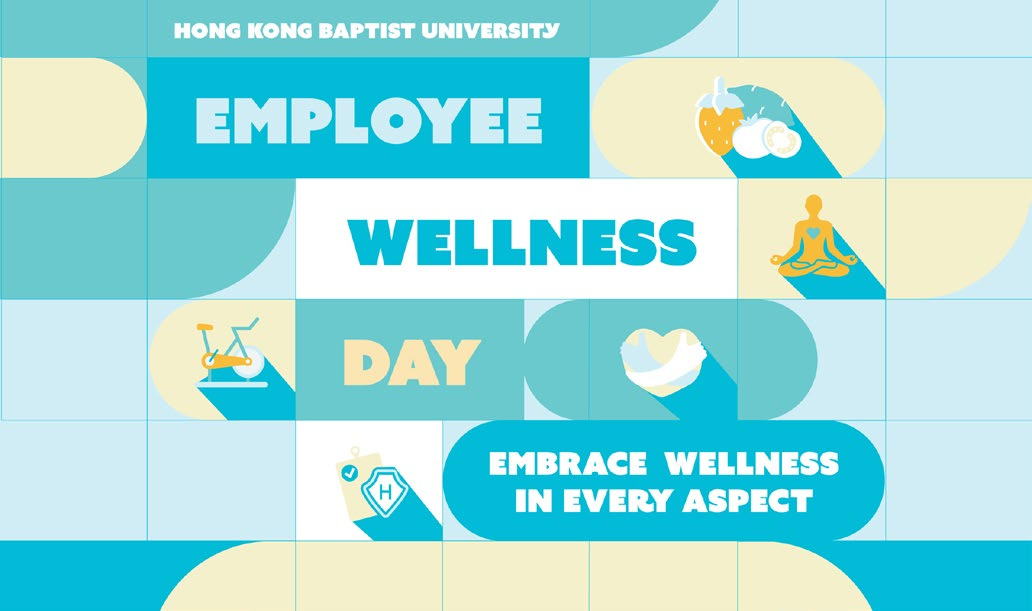
The Human Resources Office organised the “Employee Wellness Day”, engaging over 600 participants in activities such as InBody body composition analysis, preliminary emotions assessment and sleep chronotype self-test. Following the campaign, a series of workshops and lunch-and-learn sessions were held to provide practical wellness information, further emphasising the importance of holistic health.
Mental health first aid training
From November 2024 to April 2025, five “Mental Health First Aid Standard Course” classes were offered in both online and face-to-face formats. Taught by qualified instructors, the courses aimed to deepen staff’s understanding of mental health and equip them with the knowledge to support those in need. Over the past three years, 198 staff members have successfully completed the course.
Enhancing community engagement through sports facilities
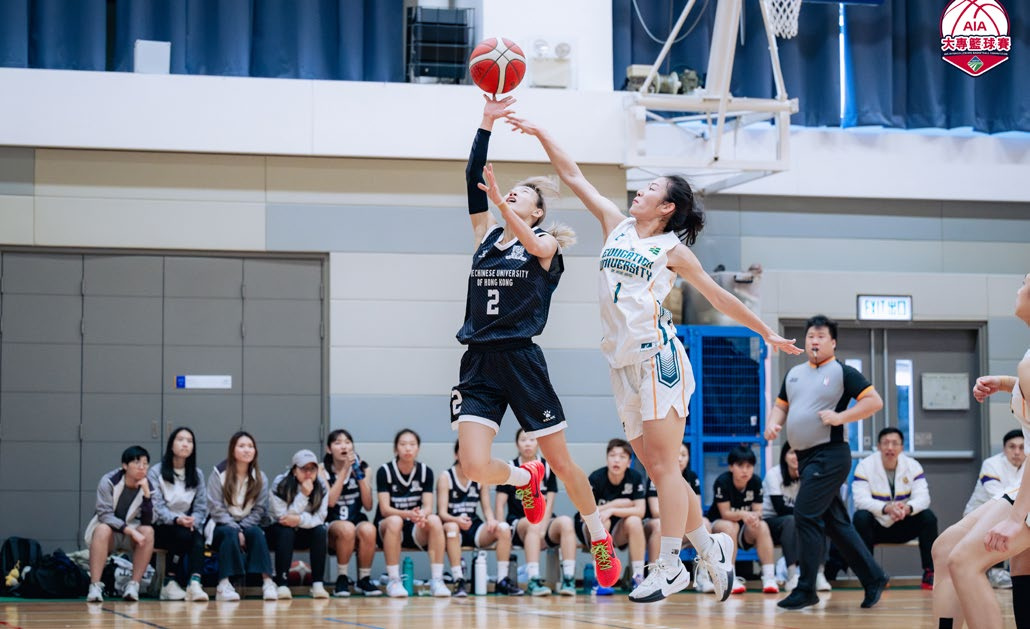
The University’s strategic collaboration with local sports associations to share its sports facilities has significantly enhanced operational sustainability. This initiative optimises asset utilisation, generates ancillary revenue for facility maintenance and upgrades, and strengthens community ties by promoting active lifestyles.
| Event | Organisation |
| The FIVB Coaches Courses 2024 | The Volleyball Association of Hong Kong, China |
| Sport2Pro Basketball Competition | Kowloon City District Recreation and Sports Council |
| Inter-collegiate Volleyball Competition | The University Sports Federation of Hong Kong, China |
| Inter-collegiate Basketball Competition | The University Sports Federation of Hong Kong, China |
| Basketball Player Selection Trials | International University Sports Federation (FISU) |
| 3 on 3 Basketball Tournament | AIA |
Joint Sports Centre:
| Event | Organisation | Number of Days |
| Annual Athletic Meet | Vocational Training Council | 1 |
| Annual Athletic Meet | The University Sports Federation of Hong Kong, China | 2 |
| Tennis Competition | The University Sports Federation of Hong Kong, China | 2 |
| Soccer Competition | The University Sports Federation of Hong Kong, China | 11 |

Comprehensive smokefree policy
Recognising the serious health risks associated with direct, second-hand, and third-hand smoke exposure, HKBU has implemented a comprehensive Smokefree Policy. This policy strictly prohibits smoking in all indoor and outdoor areas across campus, applying to every member of the campus community. In addition to enforcing this policy, the University actively promotes and supports initiatives to assist individuals in quitting smoking.
Fostering campus health and safety
The University is dedicated to protecting the well-being of its members through a robust health and safety framework. This includes regular campus-wide monitoring programmes that focus on critical areas such as food hygiene, indoor air quality, and drinking water safety. These systematic checks help maintain high safety standards throughout the campus. Precautionary measures including comprehensive safety inspections and indoor air quality assessments are also implemented for new buildings and facilities. To uphold stringent hygiene practices, food safety audits are conducted at newly established catering venues. These audits proactively address potential health risks, ensuring the safety of the University community.


THE Global Sustainable Development Congress 2025
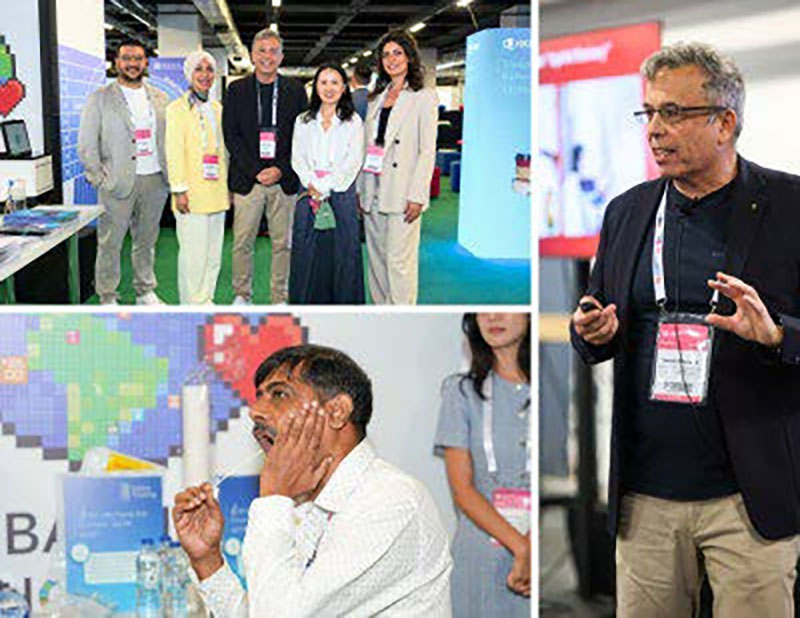
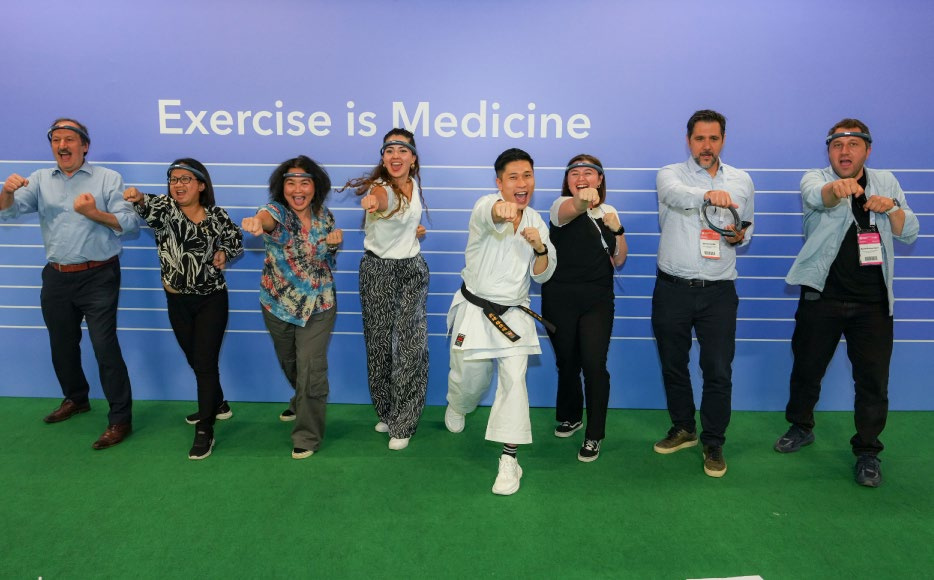
HKBU advanced its commitment to sustainability and interdisciplinary excellence at the Global Sustainable Development Congress 2025, held from 16 to 19 June in Istanbul, Turkey. As the event’s Global Health Innovation Partner and sponsor of the Health and Well-being Track, HKBU placed holistic wellness centre stage through a 6,000-square-foot “Well-being Zone”. This immersive space showcased the “exercise is medicine” ethos with experiential sessions in Tai Chi, Baduanjin, and Mindfulness Karate, alongside mindfulness practices, digital well-being research, and talks on global health trends, mental health, and the applications of Chinese medicine and AI in healthcare.
HKBU Sustainability Report 2024 - 2025