SDG 06: Clean Water and Sanitation
SDG 06:
CLEAN WATER AND SANITATION
Ensure availability and sustainable management of water and sanitation for all.
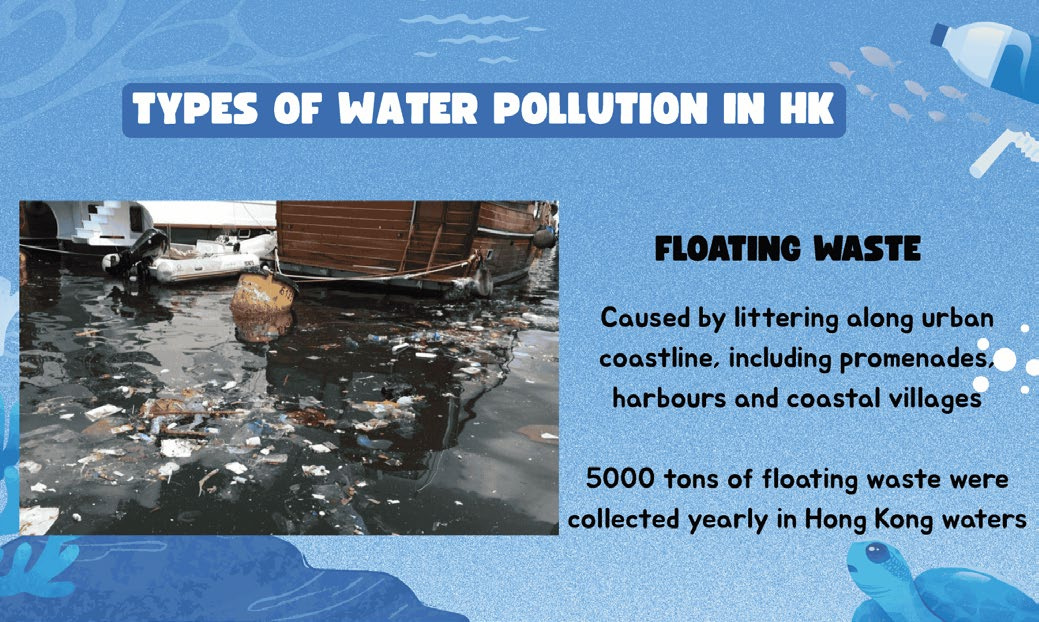
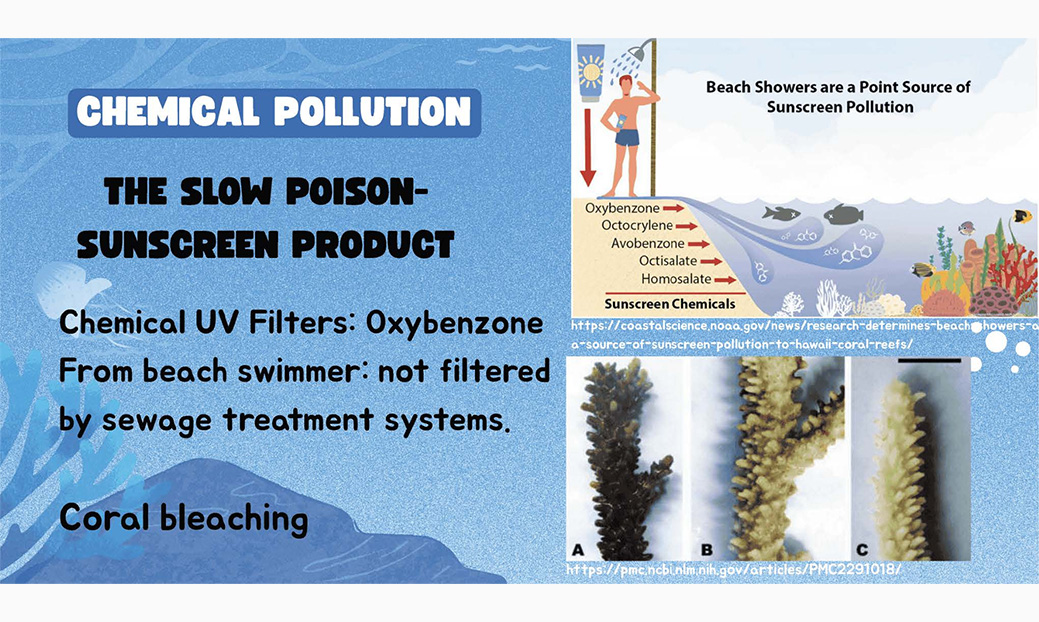
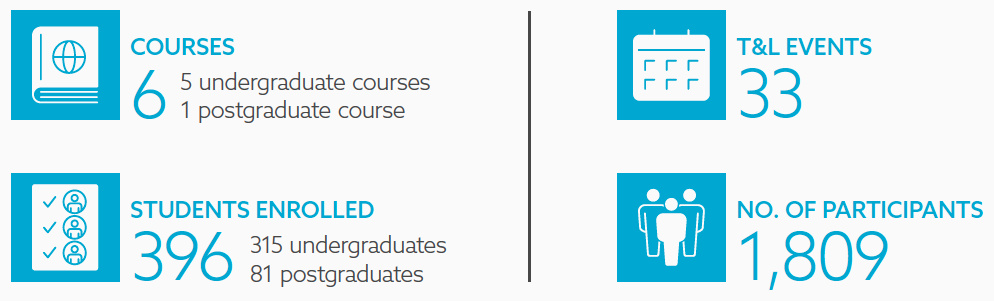
The General Education course “People and the Environment”, led by Professor Lyu Xiaopu of the Department of Geography, explored topics related to human-environment interactions and contemporary environmental issues. Introducing the food-energy-water nexus, the course highlighted the interdependence of food production, energy systems and water resources, as well as the need for integrated management to secure a reliable supply of water. Drawing on transdisciplinary perspectives, students of the course studied the water cycle’s role, sources and impacts of pollutants, and wastewater treatment and reuse. Through field trips, mini‑research projects and debates, students developed data analysis and evaluation skills for sustainable water management. The course fostered responsible citizenship to advance equitable access to safe water, improve sanitation, reduce pollution, and strengthen the resilience of water services and ecosystems.
Empowering students to improve marine water quality
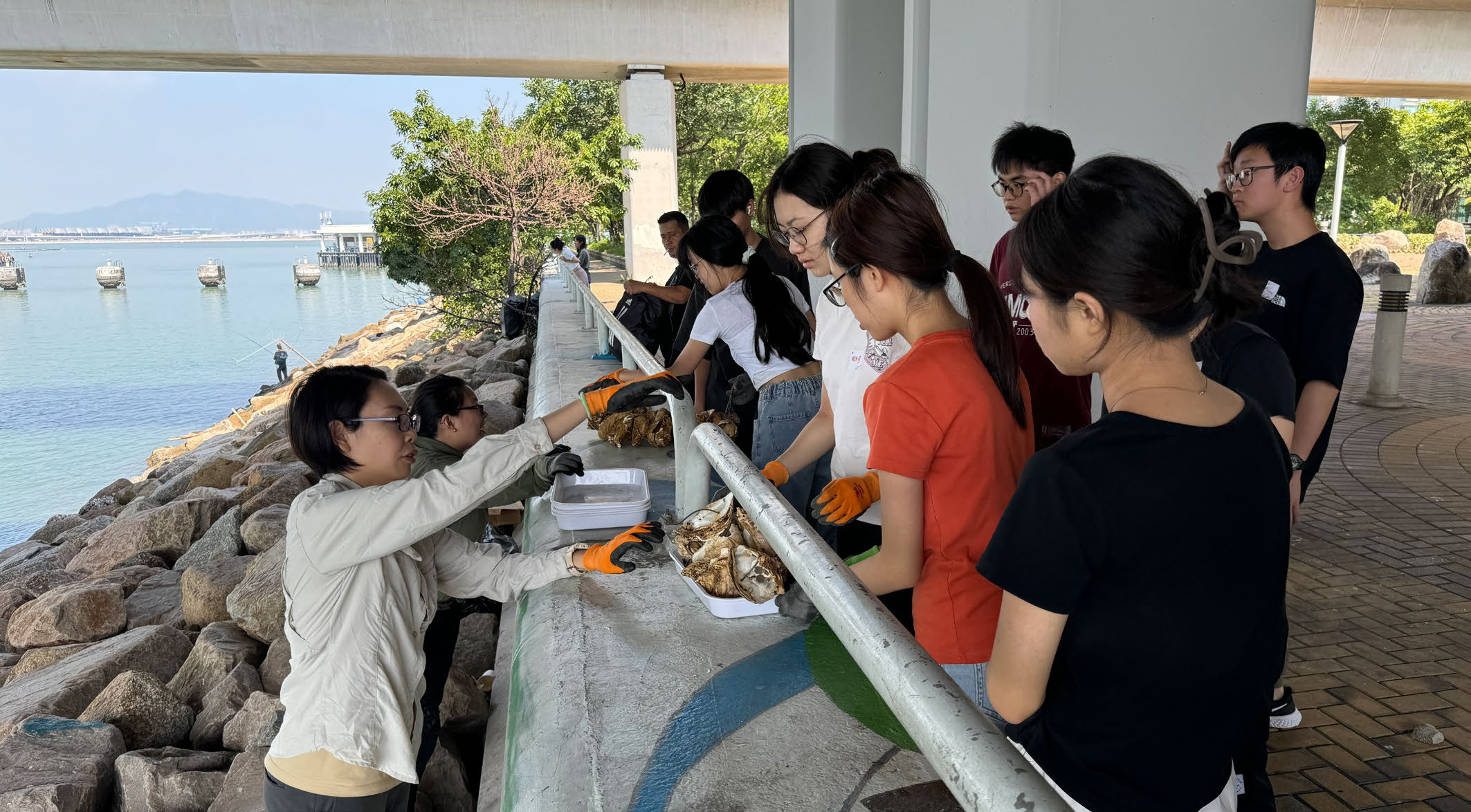
University YMCA (HKBU), in partnership with the Hong Kong Marine Ecology Association, led the Oyster Shell Skewers Workshop and Placement Service to engage students in practical efforts to improve marine water quality. Students studied Hong Kong’s wastewater management systems and discovered the remarkable purification ability of oyster shells, which naturally filter pollutants while providing habitats for diverse marine life. Under the guidance of marine experts, students crafted oyster shell strings and placed them along the Tung Chung coastline. This eco-friendly approach demonstrated how small community actions can have meaningful ripple effects in safeguarding ocean health.
Department of Chemistry
Authors: Japhet Cheuk Fung LAW, Chi Hang CHOW, Kelvin Sze Yin LEUNG*
*Corresponding author
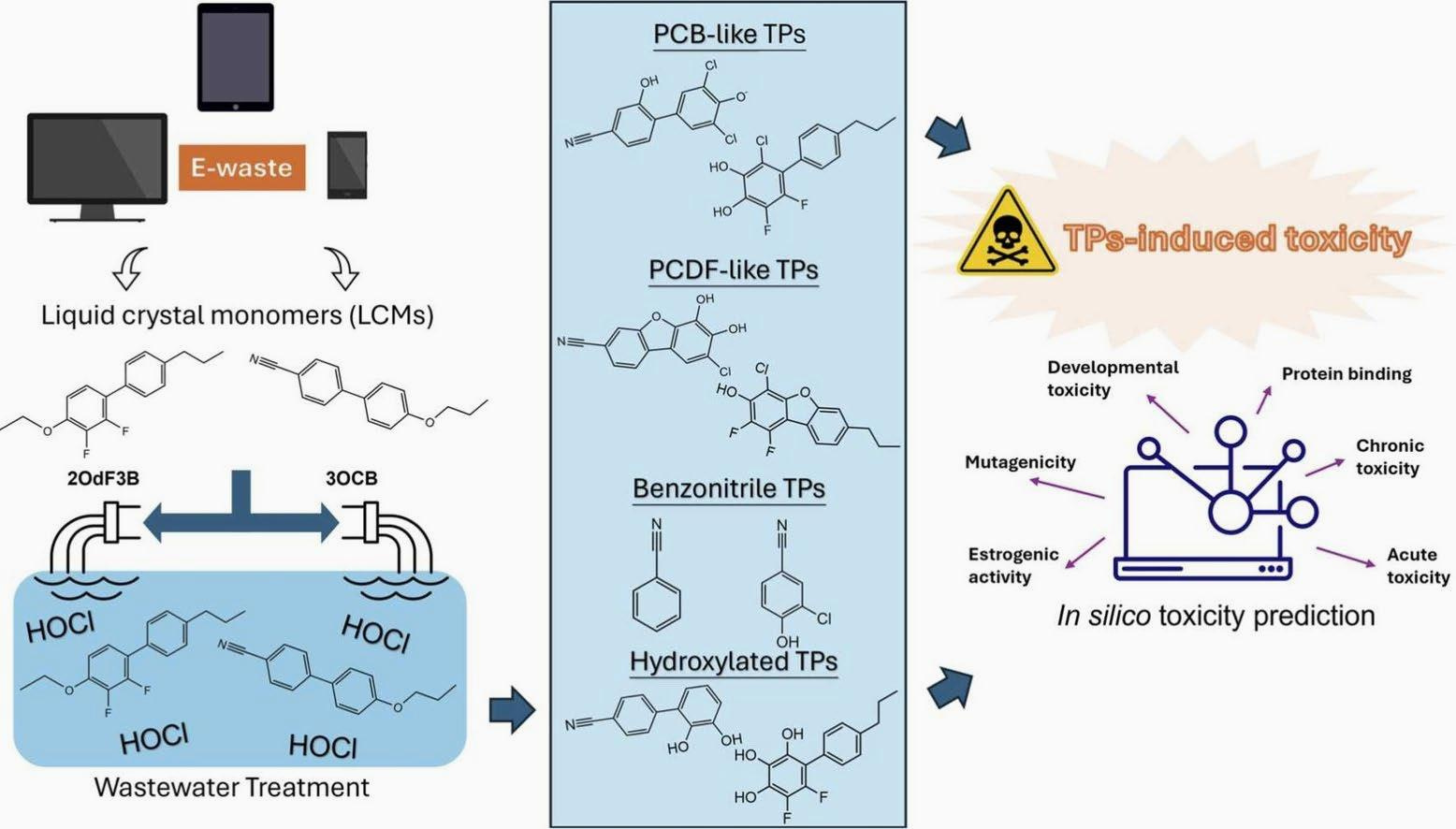
Liquid crystal monomers (LCMs) from e-waste are increasingly detected in sewage and sludge, but their fate during routine disinfection remains poorly understood. This study shows that chlorination partially degrades two prevalent LCMs and produces 34 transformation products, including species structurally similar to polychlorinated biphenyls (PCBs) and polychlorinated dibenzofurans (PCDFs). In silico assessments indicate many byproducts have acute and chronic aquatic toxicity, potential developmental toxicity and mutagenicity, endocrine-receptor binding, and protein-binding alerts linked to chromosomal aberrations, in some cases comparable to or exceeding legacy PCBs/ PCDFs. These findings highlight unintended risks from standard chlorination and the need to optimise treatment trains, monitor LCM byproducts, and guide source control of e-waste-derived pollutants. This work directly supports SDG 6.3 on improving water quality and strengthens water management research and capacity (6.a–b).
pH-tuneable simultaneous and selective dye wastewater remediation with digestate-derived biochar: Adsorption behaviour, mechanistic insights and potential application
Department of Biology
Authors: Ifunanya R. AKANIRO, Gaihong WANG, Peixin WANG, Ruilong ZHANG, Wenhua XUE, Jian YE, Jonathan W.C. WONG, Jun ZHAO*
*Corresponding author
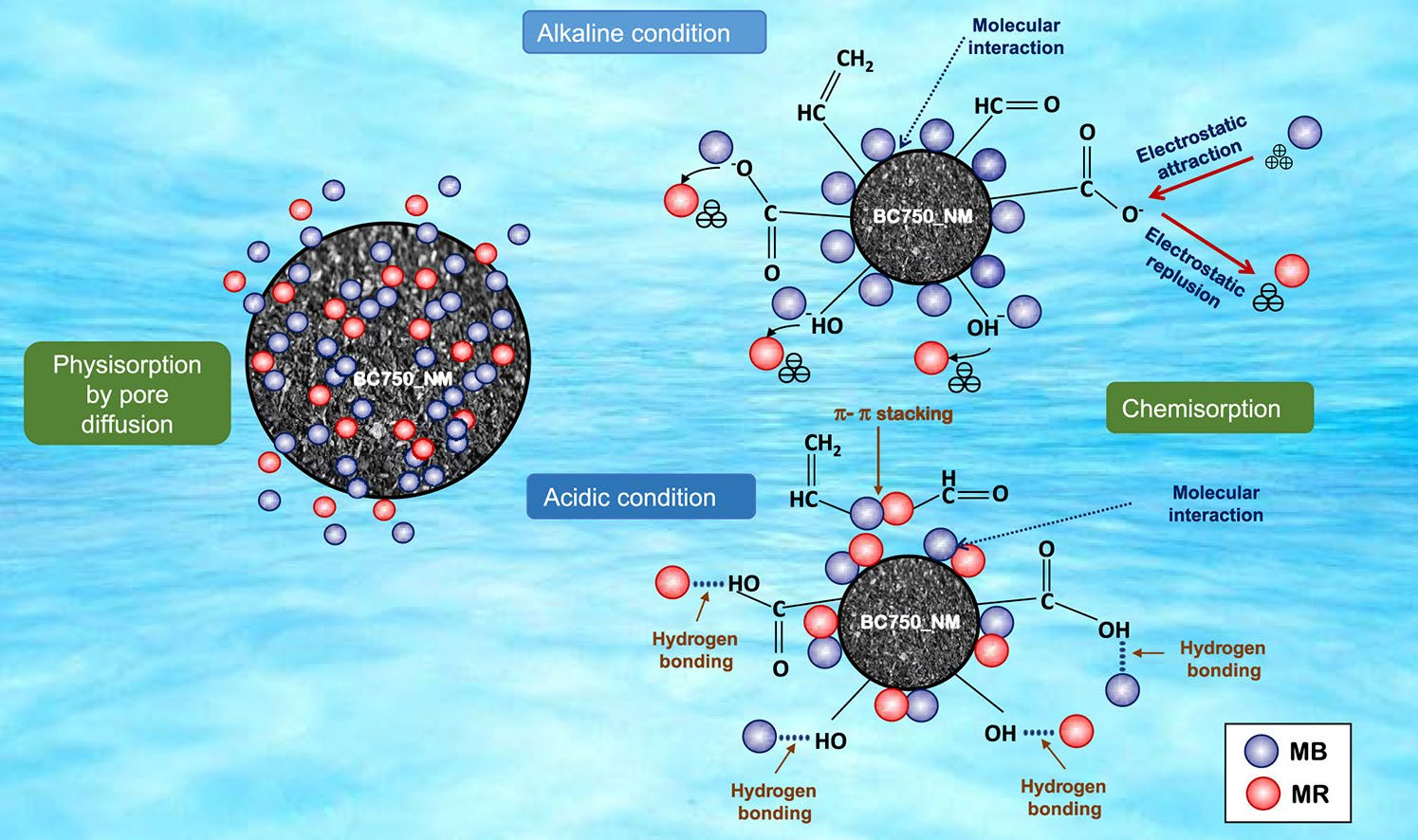
This study converts food-waste digestate into engineered biochar through hydrothermal carbonisation and pyrolysis, followed by mild nitric-acid functionalisation to enhance porosity and oxygen-containing sites for dye adsorption. The optimised material (BC750_NM, ~454 m²/g) achieves near-complete removal of methylene blue and methyl red simultaneously at acidic pH, while selectively capturing cationic methylene blue at alkaline pH. This enables both holistic cleanup and targeted pollutant separation using simple pH control. Kinetic, isotherm, thermodynamic, and statistical-physics modelling reveal mixed physisorption-chemisorption mechanisms driven by π‑π stacking, hydrogen bonding, pore diffusion, and electrostatic, with spontaneous and endothermic uptake and recoverability over multiple cycles. By coupling wastewater remediation with valorisation of digestate residues, this work supports SDG 6.3 on reducing water pollution and promotes sustainable waste-to-resource solutions for scalable, low-cost water treatment.
The University has implemented a series of sustainable water management initiatives.
Rainwater harvesting system
The University utilises a rainwater harvesting system that collects and stores rooftop runoff for irrigation purposes. By capturing rainwater, this system reduces dependence on municipal water supplies and promotes sustainable water use.
Accessible drinking water stations
Water bottle filling stations are conveniently located across campus, providing free and safe drinking water to the HKBU community. This initiative supports the University’s environmental goals and reduces reliance on disposable plastic bottles.
Safeguarding water integrity
To protect environmental and water quality, the University has installed oil interceptors and grease traps in areas such as catering outlets and car parks. These systems separate oily substances, ensuring that only treated water is discharged into the municipal system.
HKBU Sustainability Report 2024 - 2025