SDG 15: Life on Land
SDG 15:
LIFE ON LAND
Protect, restore and promote sustainable use of terrestrial ecosystems, sustainably manage forests, combat desertification, and halt and reverse land degradation and halt biodiversity loss.
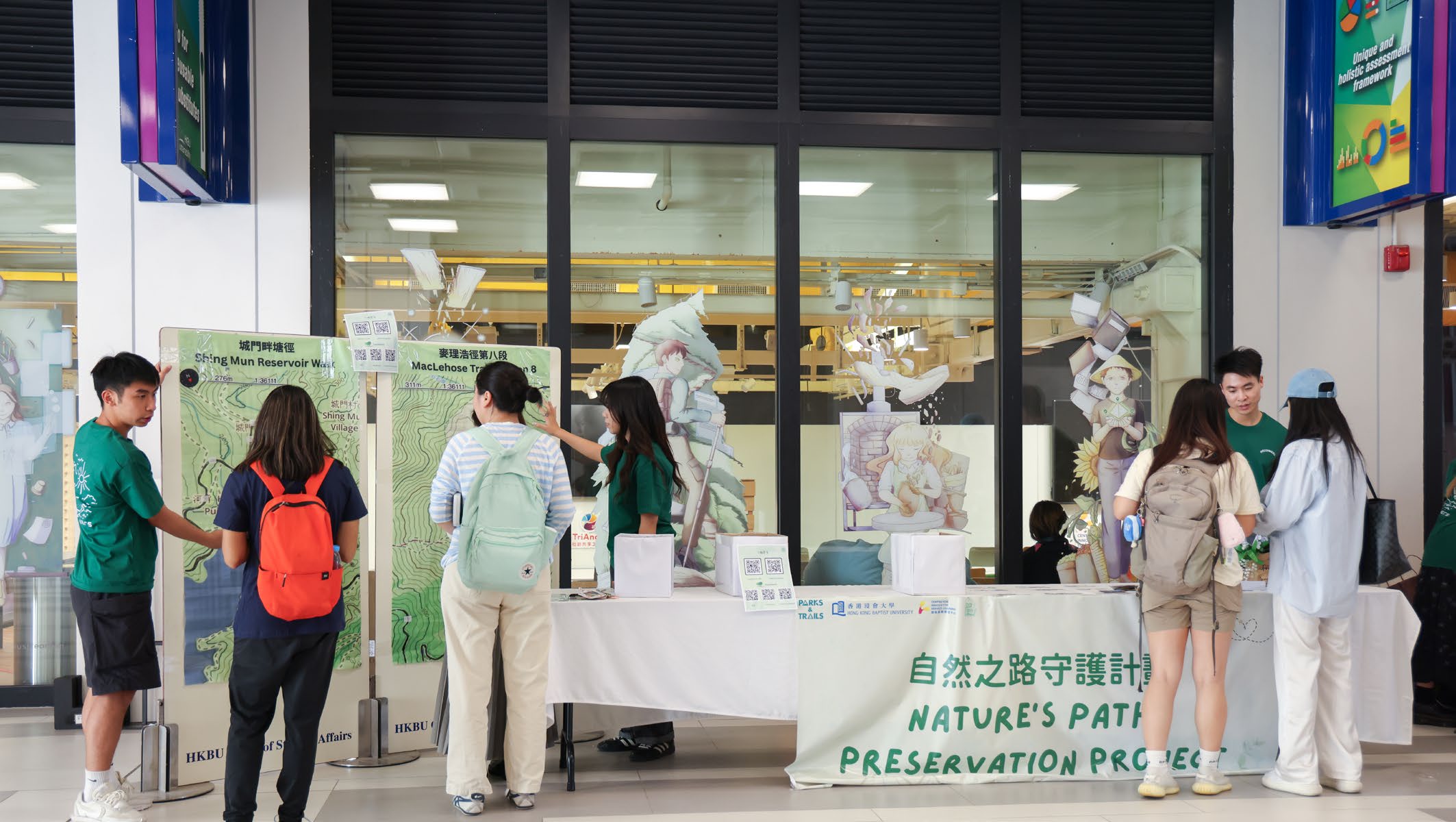
In the service-learning course “Fundraising Events, Sponsorships and Donor Management,” Miss Barbara Fu of the Department of Communication Studies led students in a meaningful collaboration with Hong Kong NGO Parks and Trails. Students visited countryside trails to learn how to use the TrailWatch app for reporting eco-vandalism, such as fly-tipping and illegal animal traps, gaining insight into environmental damage and community monitoring. Following this, students created and operated three interactive booths to promote trail conservation and demonstrate the app. The booths featured creative slogans, engaging games, and eye-catching displays that attracted over 100 visitors. Elderly and wheelchair users participated as on-site guides, encouraging intergenerational collaboration in caring for nature. This course sharpened students’ skills in event planning and stakeholder engagement, while fostering a collective commitment to protecting Hong Kong’s natural spaces through sustainable land management.
Transdisciplinary study tour on sustainable land management in Nagoya
With the support of Nanzan University in Japan, 23 transdisciplinary students engaged in a field study in June 2025, led by Dr Caixia Chu of the Division of Transdisciplinary Undergraduate Programmes, and Professor Kingsley Ng of the Academy of Visual Arts, to examine how Nagoya maintains a balance between urban development and the sustainable management of terrestrial ecosystems. Visits to Todagawa Ryokuchi Park and Ryokuchi Park allowed students to observe habitat preservation and biodiversity enhancement strategies. Exploring the Asuke area, they learned how welfare organisations promote sustainable forest management through eco-friendly economic facilities, supporting local jobs and community cohesion. At the forest school in Expo 2005 Aichi Commemorative Park, students discovered how conservation concepts are incorporated into daily life and education to inspire future generations. The experience concluded with a cross-institutional exchange with Nanzan University peers.

Department of Biology
Authors: Dongying XIE, Yiming MA, Pohao YE, Yiqing LIU, Qiutao DING, Gefei HUANG, Marie-Anne FÉLIX, Zongwei CAI, Zhongying ZHAO*
*Corresponding author
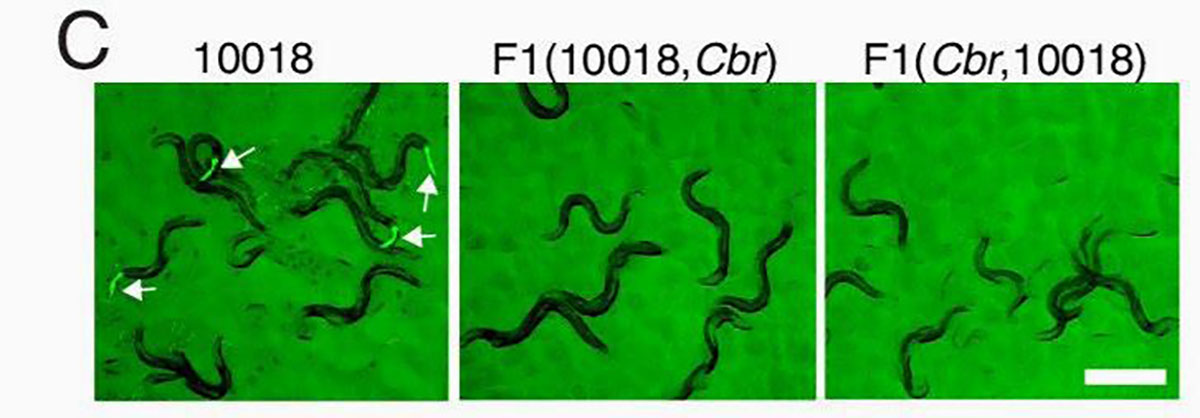
This study uncovers how a newly evolved F-box gene in the nematode Caenorhabditis nigoni prevents gene flow with its sister species Caenorhabditis briggsae by selectively degrading a vital enzyme, leading to lethal hybrids. Through genetic mapping and experiments, researchers show that this gene arose from recent duplications, highlighting rapid evolutionary changes that enforce reproductive barriers. The findings reveal mechanisms of speciation, where environmental pressures like pathogens may drive gene expansions, accidentally causing hybrid incompatibilities. Relevant to SDG 15, this research enhances understanding of biodiversity by explaining how genetic innovations maintain species diversity and prevent homogenisation in ecosystems. It supports conservation efforts by informing genetic factors in species resilience, aiding strategies to protect terrestrial life amid habitat loss and climate challenges.
mRNAs of plants and green algae lack the m7G cap‑1 structure
Department of Biology
Authors: Chen XIAO, Qiongfang LI, Shangwei WU, Feng ZHANG, Hailei ZHANG, Chen ZHANG, Zongwei CAI, Yiji XIA*
*Corresponding author
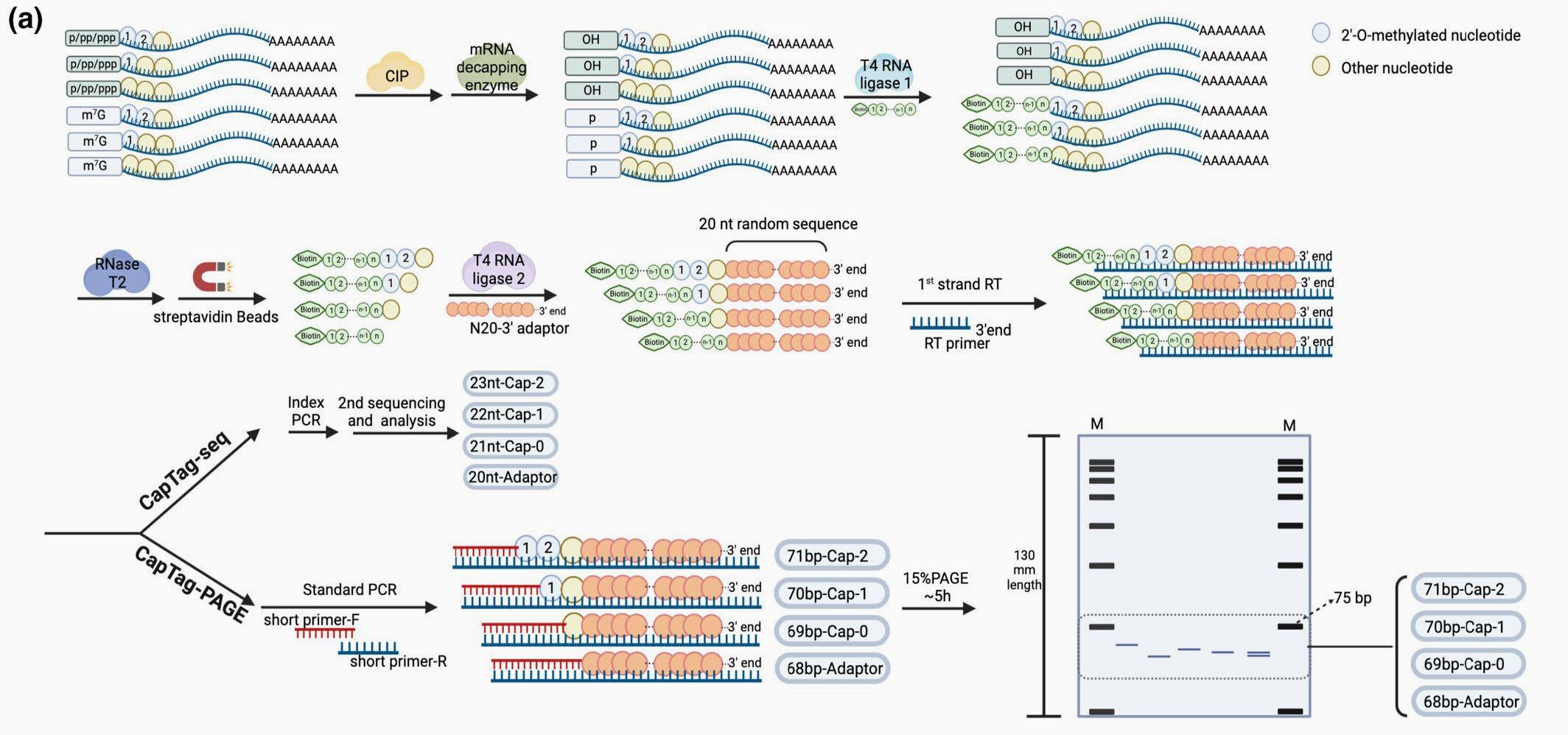
Messenger RNAs in animals typically carry Cap-1 and often Cap-2 chemical tags at their 5′ ends, but whether plants share this feature was unknown for decades despite early evidence of the basic Cap-0 m7G cap in plants. Using CapTag-seq and a companion gel method, this study shows that Arabidopsis, maize, and a green alga possess Cap-0 but not Cap-1 or Cap-2, whereas human cells show Cap-1 and Cap-2, and yeast resembles plants by lacking them, confirming a major evolutionary split in mRNA cap biology between animal and plant lineages. The authors also find no clear plant homologs of the animal Cap-1 methyltransferase (CMTR1) and highlight plant-specific regulation involving DXO1, indicating distinct capping mechanisms that could intersect with other RNA caps like NAD. These insights provide a foundation for understanding plant gene regulation, stress responses, and adaptation—knowledge that supports conservation genomics and sustainable management of terrestrial biodiversity under SDG 15.
HKBU Sustainability Report 2024 - 2025