SDG 10: Reduced Inequalities
SDG 10:
REDUCED INEQUALITIES
Reduce inequality within and among countries.
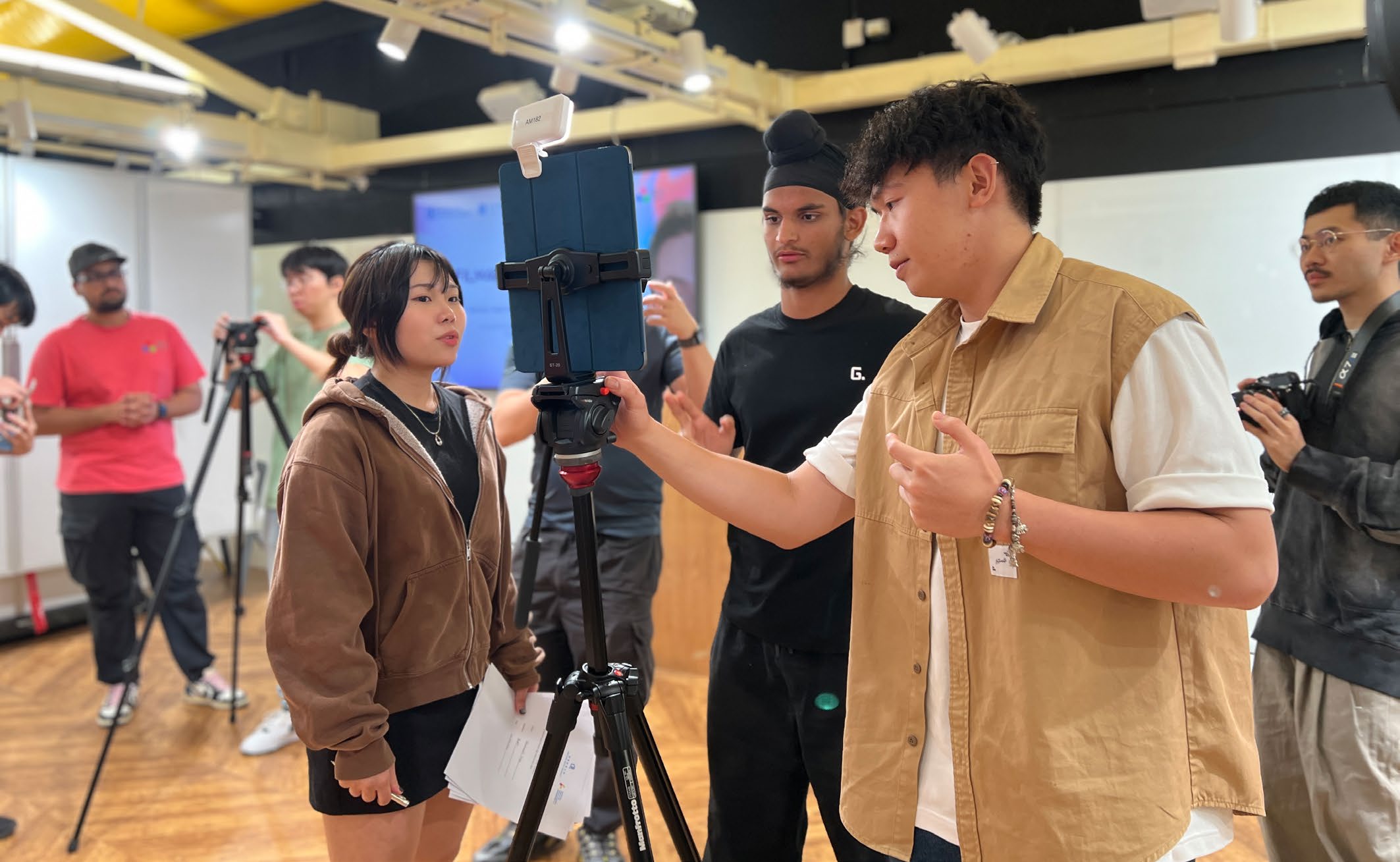
The service-learning course “Facial Animation” taught by Dr Kelvin Lee at the Department of Interactive Media leveraged cutting-edge technologies to address social inequalities. Through this course, students created AI-generated Metahumans to amplify the voices of ethnic minority youth. Over two years, 28 HKBU students interviewed 33 ethnic minority youth from the Islamic Kasim Tuet Memorial College and TREATS, an NGO dedicated to promoting social inclusion in Hong Kong. Together, they captured personal stories and facial data through in-depth interviews. In the lab, students applied AI tools to analyse the narratives, reflecting on issues like discrimination and inequality as they honed their technical skills. By the end of the project, they produced 56 Metahuman facial animations that authentically portrayed the collaborators, giving a platform to marginalised voices and challenging stereotypes, with close to 2,000 views from the public.
Promoting inclusion through simulated disability experience
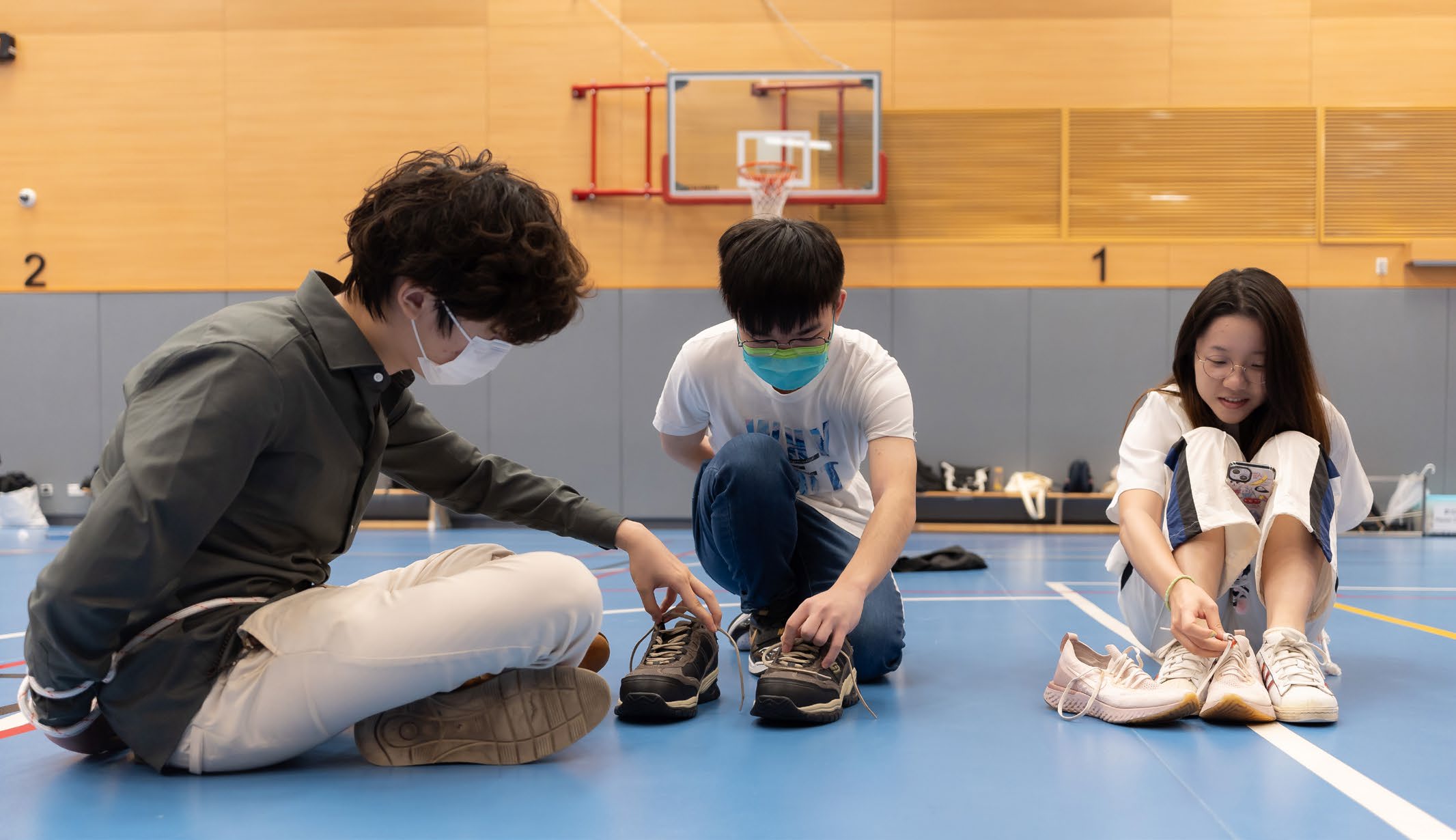
To foster inclusiveness and social integration, the Office of Student Affairs partnered with Kompass, a start-up founded by two-time Paralympic medalist Mr Daniel Chan Ho-yuen, to launch the ‘PHAB Maze’ experiential learning activity. In this transformative programme, students were challenged to solve problems while navigating simulated sensory and physical limitations. These experiences offered a glimpse into the everyday barriers faced by individuals with disabilities, encouraging participants to step into another’s shoes and experience the world from different perspectives. The event helped enrich the learning experience and instilled a sense of empathy among the 51 participating students.
Academy of Geography, Sociology and International Studies
Author: Professor Siu Yau LEE
This study uses a conjoint experiment in Hong Kong to show that restrictive immigration policies— such as labour tests, language requirements, and welfare limits—boost natives’ support for highly skilled immigrants by signalling fairness and quality. It uncovers unique effects like moral judgments on loyalty and assurances of immigrant merit, challenging standard theories on economic threats or identity. Relevant to SDG 10, the findings advance reduced inequalities by guiding migration policies that enhance inclusion, minimise backlash, and facilitate talent inflows without deepening divides. In diverse societies like Hong Kong, where immigration fuels tensions, this evidence supports equitable frameworks that promote social cohesion, economic mobility, and fair resource access. By highlighting policy feedback, it aids global efforts to manage migration responsibly, reducing disparities and building resilient communities for sustainable development.
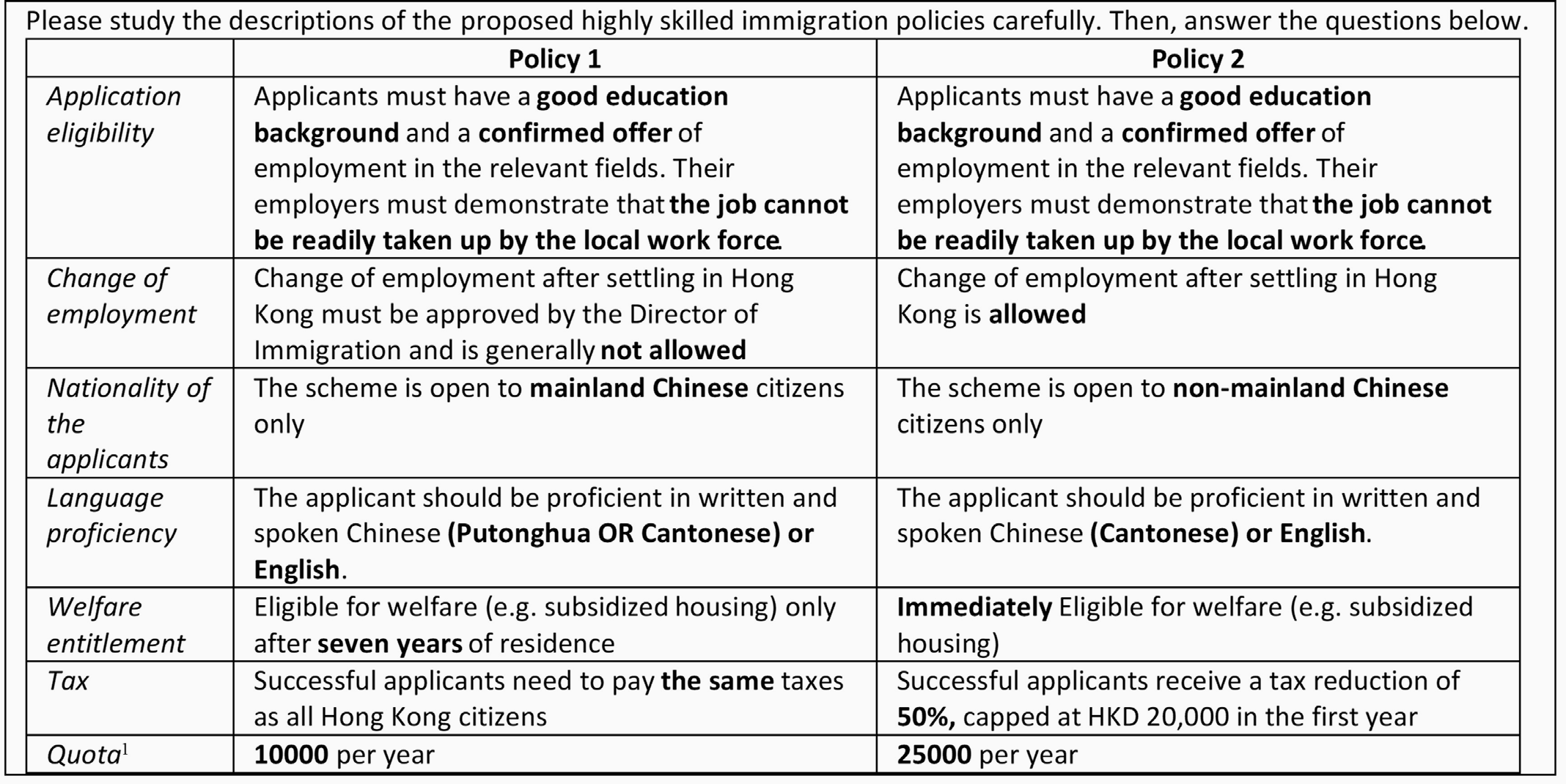
This study employs a conjoint experiment in Hong Kong to examine how different immigration policy designs shape public opinion. It finds that certain measures, such as labour market tests, language requirements, or welfare provisions, can raise support for skilled immigrants by signalling fairness and transparency. Yet, rather than advocating constraint, the research quantifies the types, scope, and magnitude of these attitudinal effects to help governments avoid overreaction to potential public resistance. As one of the first experimental studies comparing distinct policy framings, it contributes to designing balanced migration frameworks that reduce inequality by facilitating inclusion, maintaining social trust, and informing evidence-based policymaking aligned with SDG 10.
Pride in Asia: Negotiating ideologies, localness, and alternative futures
Academy of Language and Culture
Authors: Benedict J. L. ROWLETT*, Pavadee SAISUWAN, Christian GO, Li-Chi CHEN, Mie HIRAMOTO
*Corresponding author
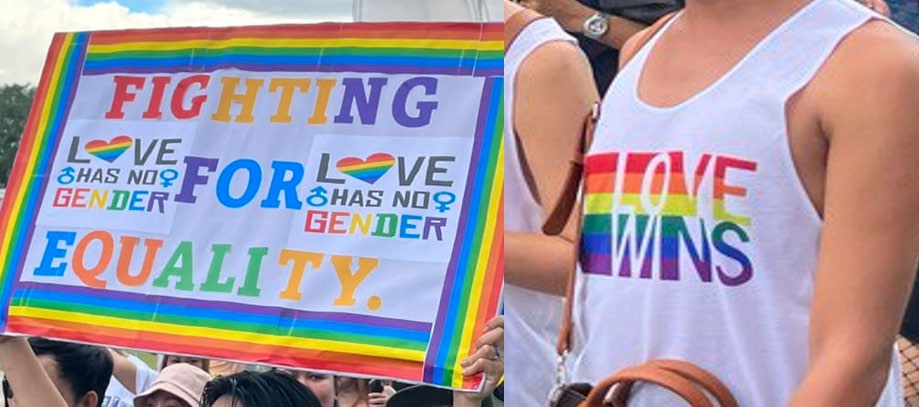
This publication examines Pride events in the Hong Kong and Taiwan regions of China; Thailand; and the Philippines through linguistic landscapes, revealing how local semiotics and activism adapt global Pride narratives to address regional issues like democracy, class struggles, and cultural identity. It highlights Pride’s role in challenging heteronormativity, fostering intersectional solidarity, and envisioning alternative futures amidst political constraints. Relevant to SDG 10, the study promotes reduced inequalities by showcasing how these events empower LGBTQIA+ communities, combat discrimination, and integrate marginalised voices into broader social movements. In Asia, where LGBTQIA+ rights vary widely, this transregional analysis informs inclusive policies that tackle systemic barriers, enhance social cohesion, and support equitable development. By provincialising Western models and emphasising local agency, it contributes to global efforts for non-discriminatory societies, aiding sustainable progress in diverse, unequal contexts.
As an equal opportunities employer, the University enforces a zero-tolerance policy on discrimination, harassment and victimisation, outlined in its Policy Statement on Equal Opportunities. Recruitment, appointment, promotion and development practices are based on consistent selection criteria, with guidance notes emphasising zero discrimination, fair assessment and respect for all candidates. To enhance oversight, a university-level taskforce led by the Provost and Vice-Presidents guides diversity and inclusion efforts, with the Vice-President (Administration) and Secretary also serving as the University Diversity Officer.
Support for persons with disabilities
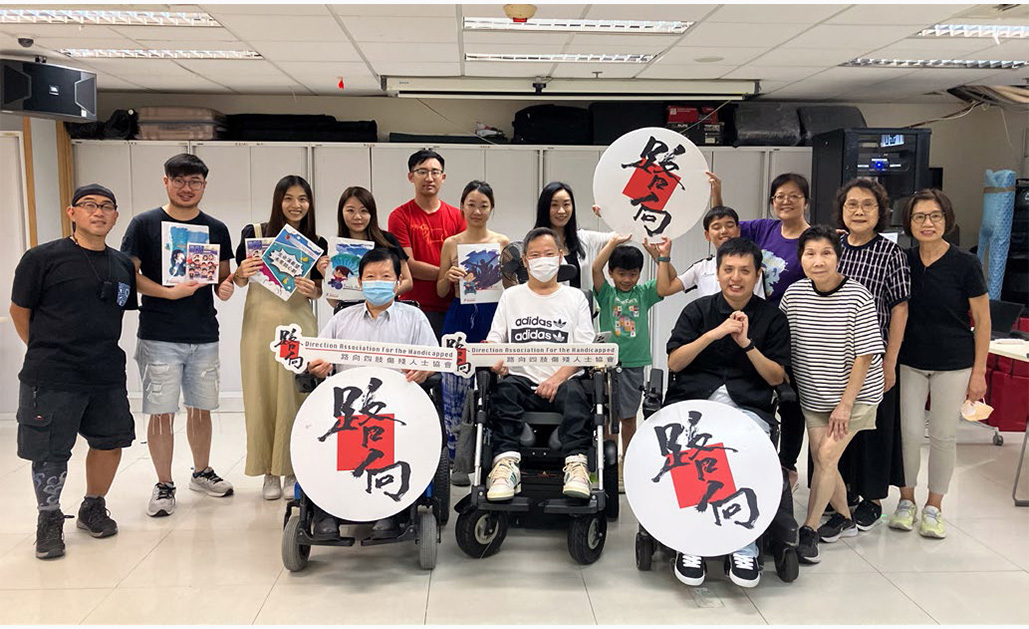
The University actively supports the employment of persons with disabilities by participating in the TalentWise Employment Charter and the Inclusive Organisations Recognition Scheme by the Labour and Welfare Bureau in Hong Kong, China. To ensure fair assessment and selection, the University also provides reasonable accommodation and support to candidates with disabilities in accordance with the job requirements and established selection criteria.
Promoting diversity and inclusion
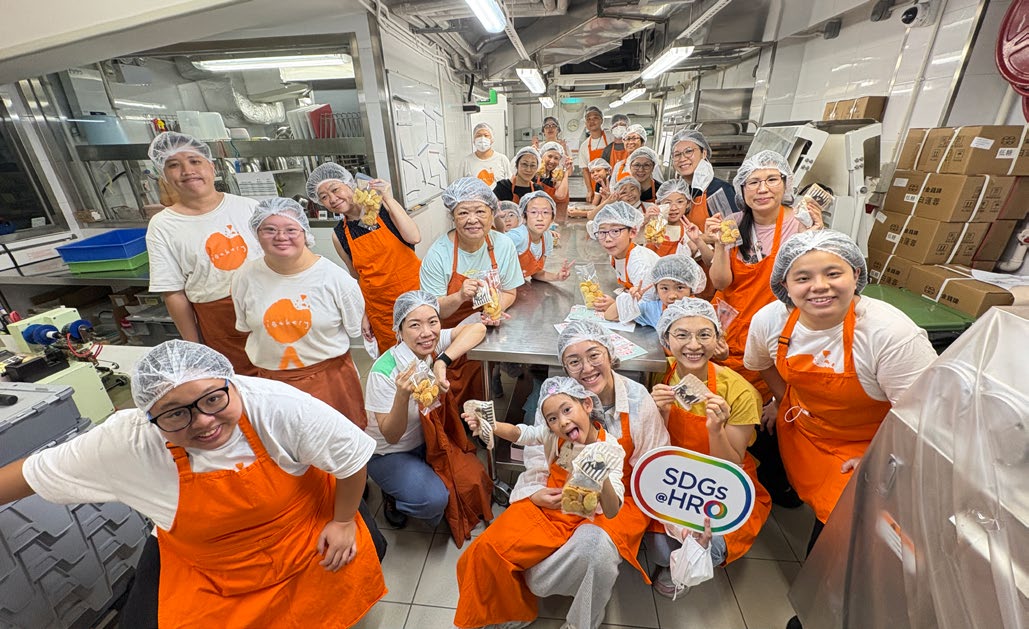
The Human Resources Office organised various experiential activities to promote diversity and inclusion. Initiatives include a wheelchair experience workshop, a cultural tour of the Kowloon Mosque and Chungking Mansions, and an inclusive baking workshop, fostering connections with minority groups and enhancing workplace inclusivity.
HKBU Sustainability Report 2024 - 2025