SDG 08: Decent Work and Economic Growth
SDG 08:
DECENT WORK AND ECONOMIC GROWTH
Promote sustained, inclusive and sustainable economic growth, full and productive employment and decent work for all.
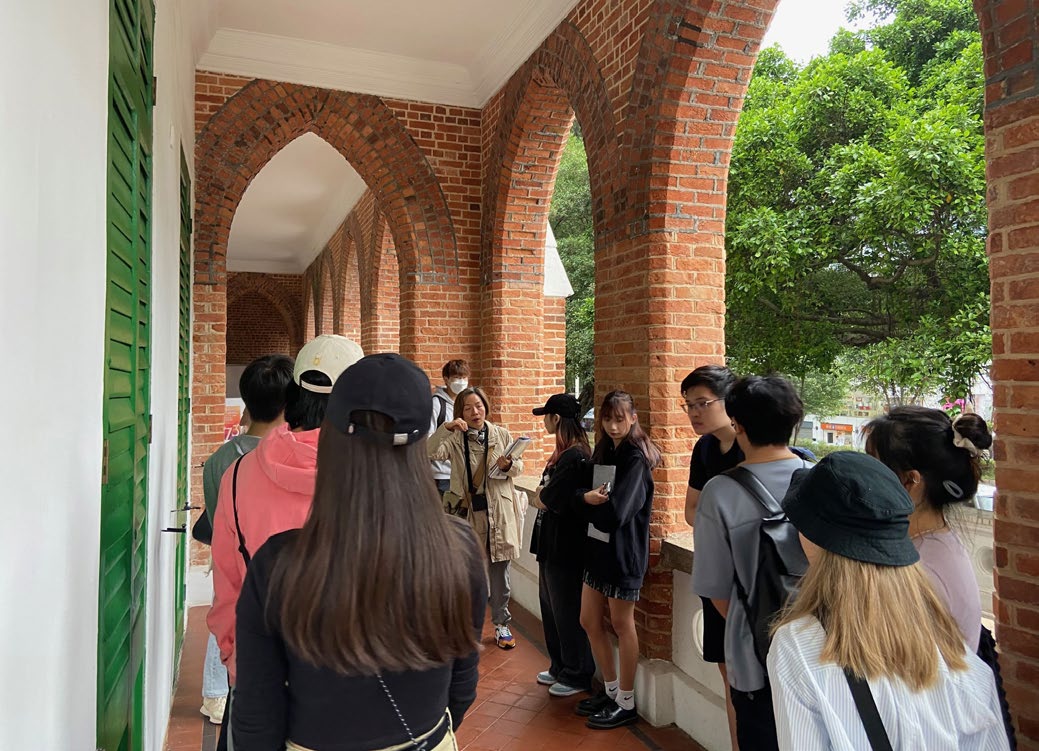
The General Education capstone course “Hong Kong and the World,” taught by Professors Kang Yi and Samson Yuen, prepared students to promote inclusive and sustainable growth in Hong Kong’s multicultural context. Exploring the city’s economic history, migration patterns, the legacy of economic freedom from the colonial era, and integration with the Chinese Mainland, students analysed the drivers of growth, structural transformation and social implications while engaging with NGOs, social enterprises, and refugee communities to understand conditions for decent work and inclusion. Through developing neighbourhood walking tours that linked Hong Kong’s local stories to global connections, students applied their learning to foster community-based tourism and a more tolerant, multicultural society.

Industry–university partnership accelerates student innovation for sustainability
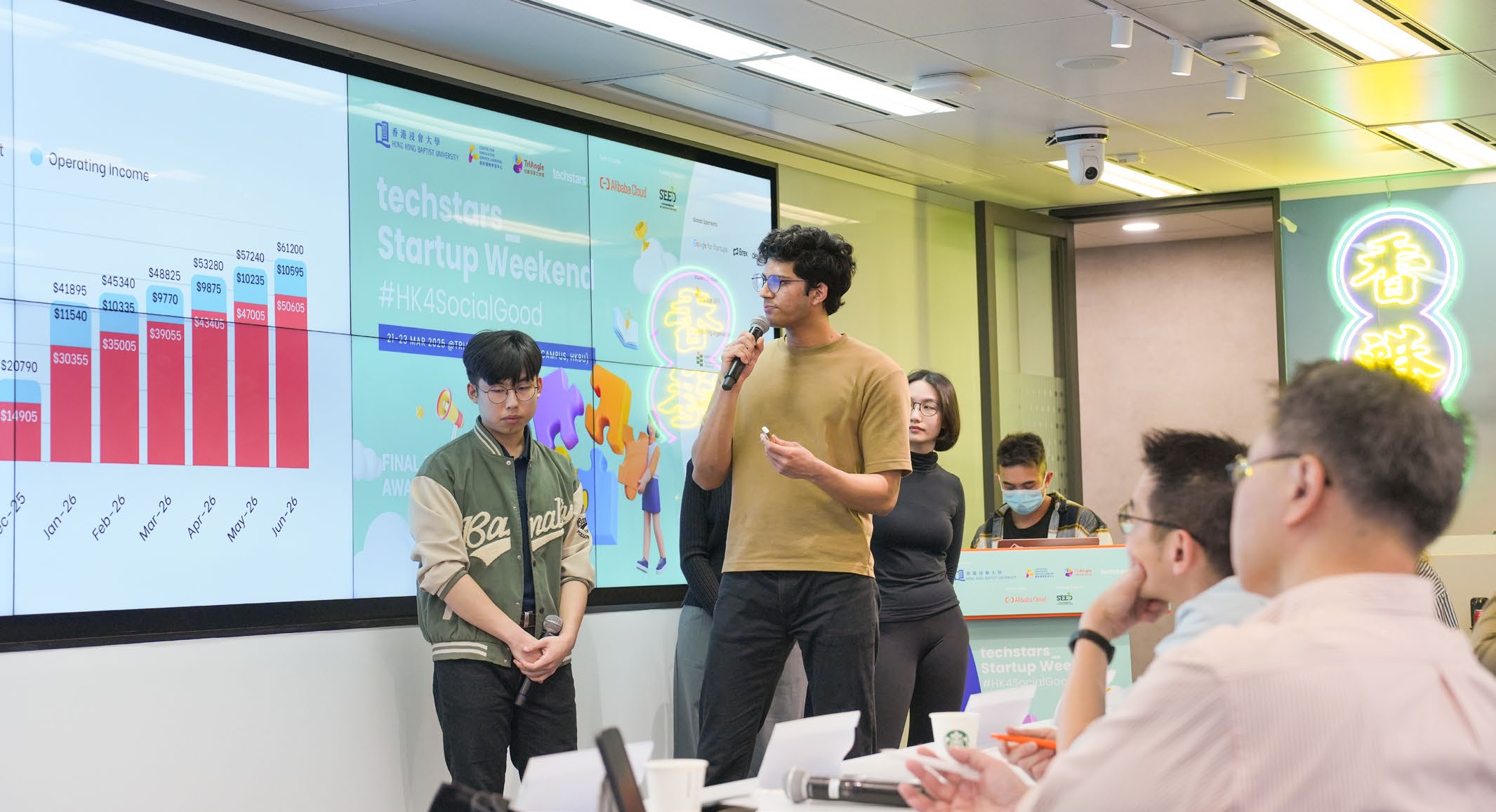
In collaboration with Alibaba Cloud, TriAngle of the Centre for Innovative Service-Learning hosted the “techstars Startup Weekend Hong Kong for Social Good”. This innovative education programme empowered students to design technology-driven solutions that foster the sustainable development of society and inclusive economic growth. Guided by more than 20 mentors and judges from various industries and startups, 41 students from 16 disciplines received entrepreneurship training and mentorship. As a result, 11 teams pitched innovative ideas that addressed issues including climate change, quality education and economic growth. Audacity was one of the three winning teams and received the Market Validation Award. This social enterprise focuses on creating decent work by producing sustainable, high-performance sportswear from recycled textiles in the Chinese Mainland. Their business model demonstrated a commitment to both environmental and economic sustainability. This strong industry–university partnership showcased how collaborative ecosystems can accelerate student-led innovation, paving the way for scalable impact and a more sustainable future.
Department of Accountancy, Economics and Finance
Authors: Fangfang HOU, Jeffrey NG, Xinpeng XU, Janus Jian ZHANG*
*Corresponding author
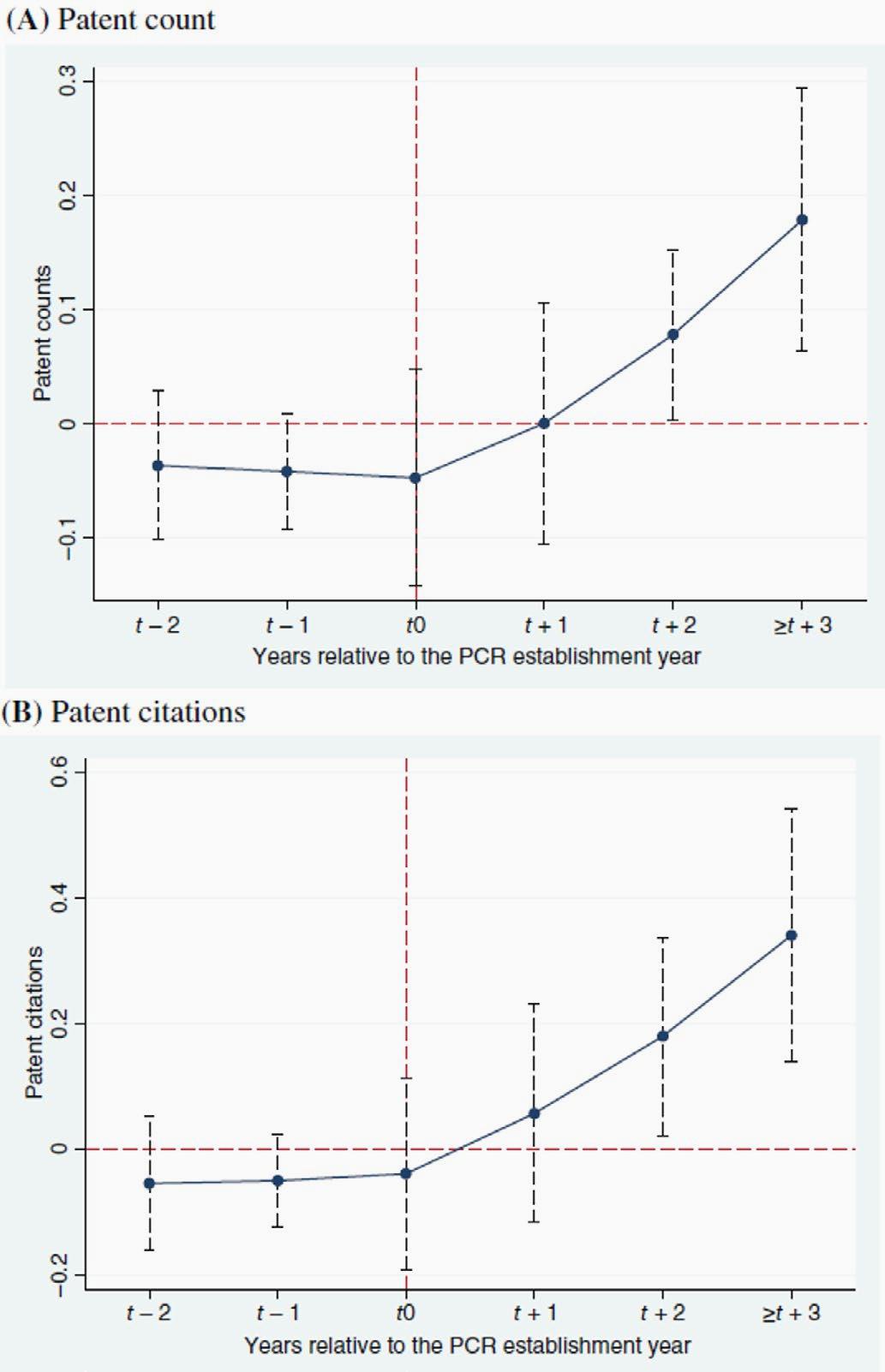
This study explores how public credit registries (PCRs) can boost firm innovation by easing access to finance, and addressing key barriers such as information asymmetry and the high risks of lending for R&D. By analysing global data, the study shows that PCRs increase patent outputs and efficiency, especially in opaque firms and innovative sectors, fostering sustainable economic growth. This aligns with SDG 8 by promoting inclusive economic expansion, productive employment, and innovation-driven jobs. Enhanced credit sharing supports small firms and emerging markets, reducing inequalities and enabling decent work opportunities. By improving financial infrastructure, the research contributes to resilient economies and encourages policies that drive long-term productivity and equitable development worldwide.
Understanding the dynamic and episodic nature of technostressors and their effects on cyberdeviance: A daily field investigation
Department of Management, Marketing and Information Systems
Authors: Yang CHEN, Jose BENITEZ, Christy M K CHEUNG*
*Corresponding author
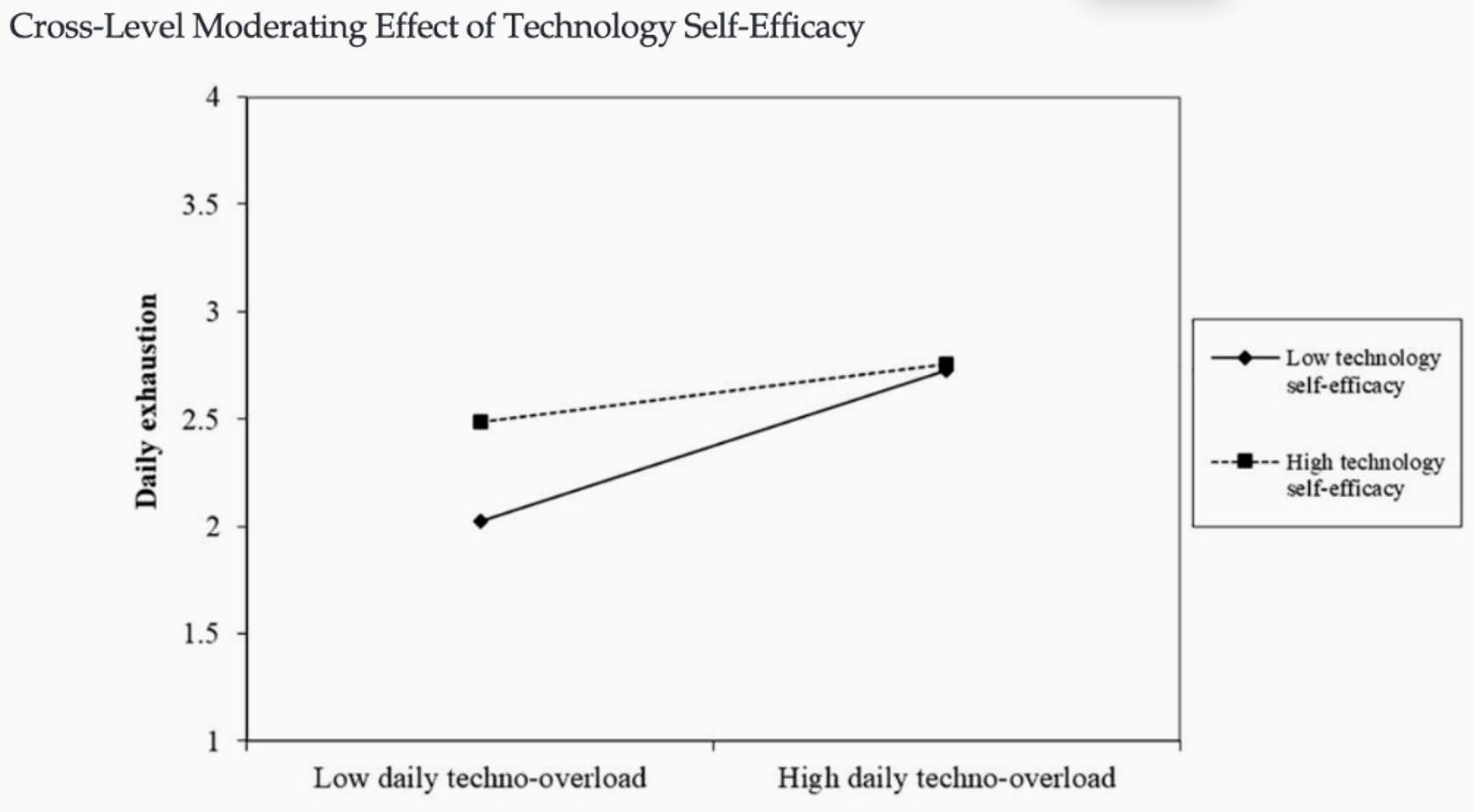
This study shows how two daily ICT-related stressors—techno‑overload and techno‑invasion— lead to employees’ daily exhaustion, which in turn increases daily cyberdeviance, such as security‑policy violations and harmful online behaviours toward the organisation or colleagues. Using a two‑week experience sampling design with 188 professionals and multilevel analyses, the research demonstrates that yesterday’s techno‑invasion predicts today’s techno‑overload, and that higher technology self‑efficacy weakens the exhaustion caused by techno‑overload. These findings help managers to design healthier digital work routines, limit after‑hours intrusion, and build employees’ technology efficacy to curb deviance, protect organisational assets, and sustain productivity—outcomes that are central to SDG 8’s goal of safe, secure, and productive workplaces.
The University is committed to providing equal opportunities and to assessing and rewarding all employees based on consistent criteria. Personal attributes such as family background, family status, gender, marital status, pregnancy, breastfeeding status, place of origin, ethnicity, race, disability, age, faith heritage, religion or beliefs, sexual orientation and gender identity are respected and safeguarded against any form of bias. An impartial mechanism for annual performance reviews is in place for eligible full-time staff, reinforcing appropriate linkage between performance and rewards and fostering a fair and inclusive workplace culture.
Additionally, an Equal Opportunities Panel is established to address grievances, complaints, or allegations of discrimination or harassment with confidentiality, ensuring compliance with the University’s Policy Statement on Equal Opportunities and relevant guidelines.
Minimum wage compliance
The University adheres to the Minimum Wage Ordinance of Hong Kong, China regularly evaluating salary scales to ensure equitable compensation. Following the 2025 minimum wage adjustment, salary bands for non-teaching staff have been reviewed and adjusted as necessary.
Safeguarding outsourced workers' rights
To uphold ethical labour standards, the University enforces a Policy on Anti-Slavery and Equivalent Rights for Outsourced Workers, ensuring fair wages, competitive benefits, and safe working condition. Suppliers must adhere to the principles of human rights and equal opportunities, commit to non-discriminatory employment practices and offer necessary trainings and feedback channels to their workers.
Occupational health and safety
HKBU prioritises staff health through a robust Health, Safety and Environment Policy, along with proactive initiatives that promote well-being. All full-time and part-time staff must complete mandatory compliance training, which included a module on the Occupational Safety and Health Ordinance. The Human Resources Office also organises relevant training sessions, such as those focused on vocal health. As a participant in the “Joyful@Healthy Workplace Charter” and a signatory of the “Good Employer Charter 2024”, the University reaffirms its commitment to employee- centred practices and provides benefits that go beyond statutory requirements. This helps to foster a culture of transparent communication.
HKBU Sustainability Report 2024 - 2025